This new phone display breakthrough raises the bar on resolution and refresh rates to a new gold standard.
Sep 16, 2026
Korea "cannot afford" to slow down its artificial intelligence (AI) progress, the country's science minister said Wednesday, but noted the emphasis should be put on responsible development rather than the speed of advancement itself. "It is an entirely different matter for a country already ahead to adjust its pace, than for a nation that is catching up while simultaneously having to create new markets to slow down," Science Minister Bae Kyung-hoon wrote in a social media post. "We cannot afford to slow down the pace of AI development," he stressed. The minister said the gap between countries that have secured AI frontier models approaching the level of human intelligence and those who have not could eventually extend beyond merely a technological gap and into other areas, such as the country's industrial competitiveness, national security and even its future growth. But Bae expressed a cautionary approach to unconditional acceleration, stressing efforts to ensure safety and trust should also come in tandem with the pace of technological development. The science minister's comments come a
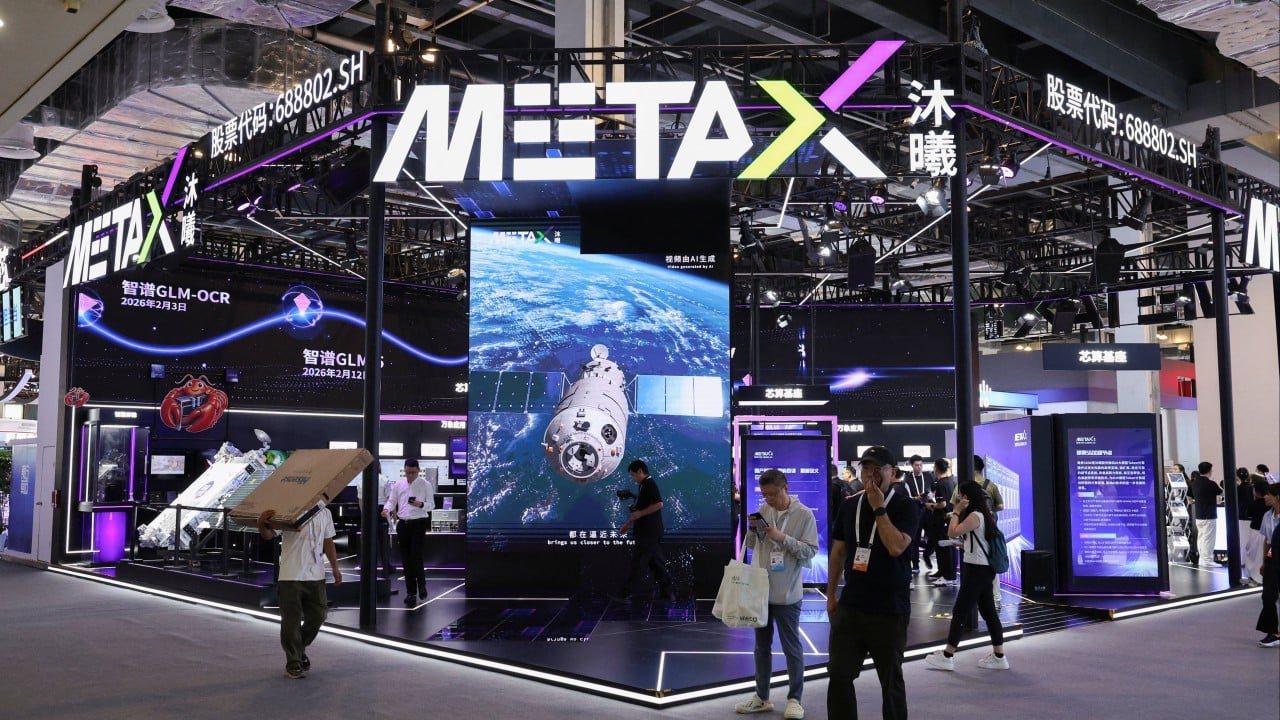
China is bracing for a potential massive sell-off of a high-profile artificial intelligence chip stock on Thursday, when a lock-up period affecting 14 million shares in MetaX Integrated Circuits is set to expire. Analysts expect MetaX to face “significant selling pressure” when the restricted shares are released for trading, after the expiry of a similar lock-up period for shares in fellow AI chip firm Moore Threads last week sparked an avalanche of sales that wiped nearly 49 billion yuan...
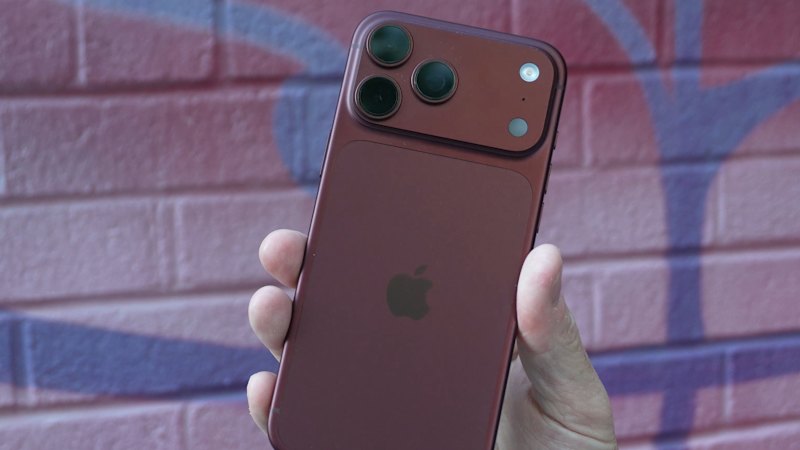
Apple's iPhone 18 Pro looks almost identical to last year's model. But don't let the familiar design fool you. This is one of the most significant internal upgrades Apple has made in years, and it's the camera doing the heavy lifting.
China’s Moonshot AI has attracted global investor interest spanning Europe, Asia and the Middle East, people familiar with the matter say, as international capital scrambles for access to Chinese frontier artificial intelligence labs, betting on their high-stakes race against US rivals. The Beijing-based developer of the Kimi family of AI models has seen mounting interest from overseas players ranging from European investment firms to Middle East family offices, with some seeking indirect...
Meta One consolidates the existing subscription plans for WhatsApp, Facebook and Instagram, and adds even more AI tools to the mix.
StarCraft is finally returning, but not as a real-time strategy sequel many fans were expecting.
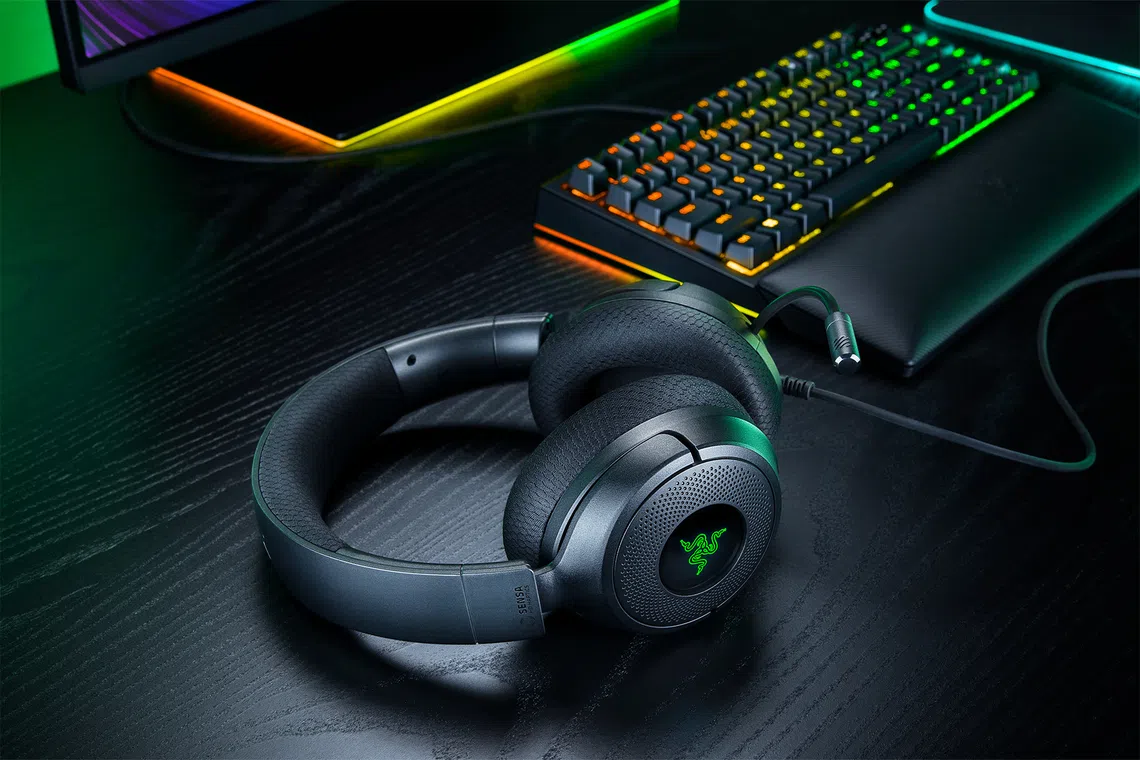
Razer has brought down Sensa haptics from the Kraken V4 Pro, and put it into the body of a Kraken V4 X.
With less than a month to go before we see another Amazon Prime Big Deal Days event, here is what you need to know about the sale.
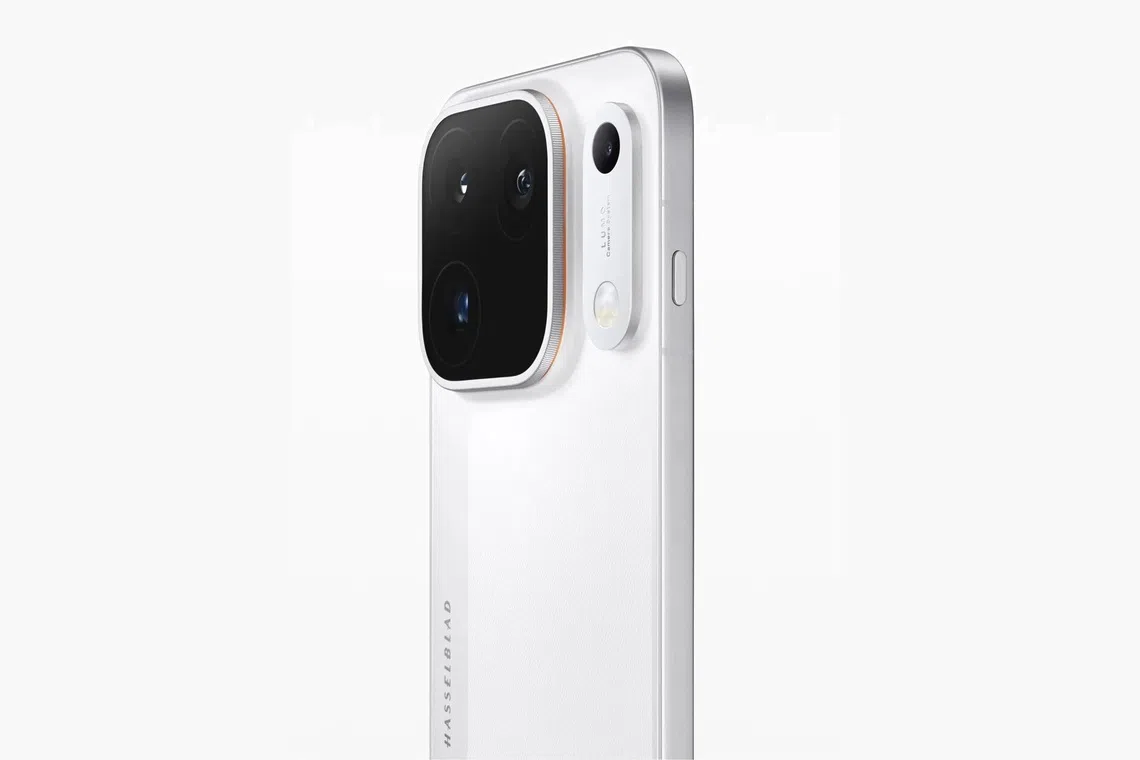
According to its specifications for the Mainland Chinese market, the phone will likely come with triple 200MP cameras and a powerful MediaTek chipset.
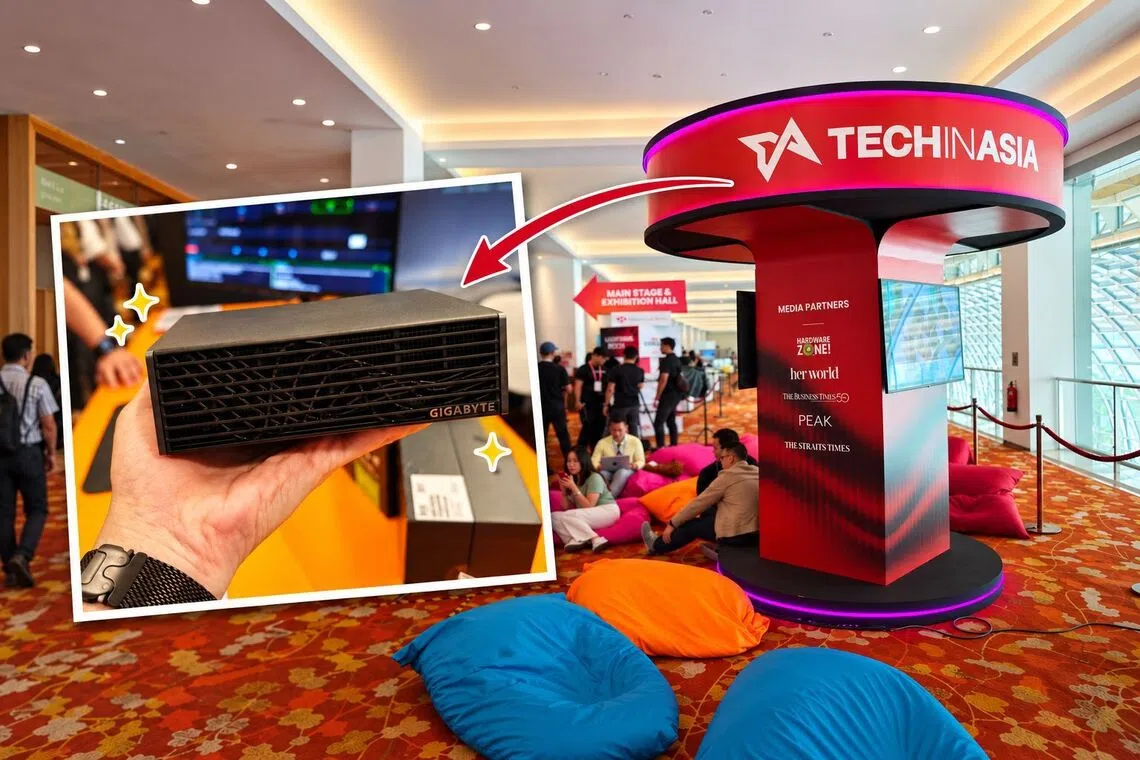
The Mac mini-sized computer is designed for developers and businesses that want to run AI models locally.
Sometimes, last-minute in-store shopping might be your best option.
Sep 15, 2026
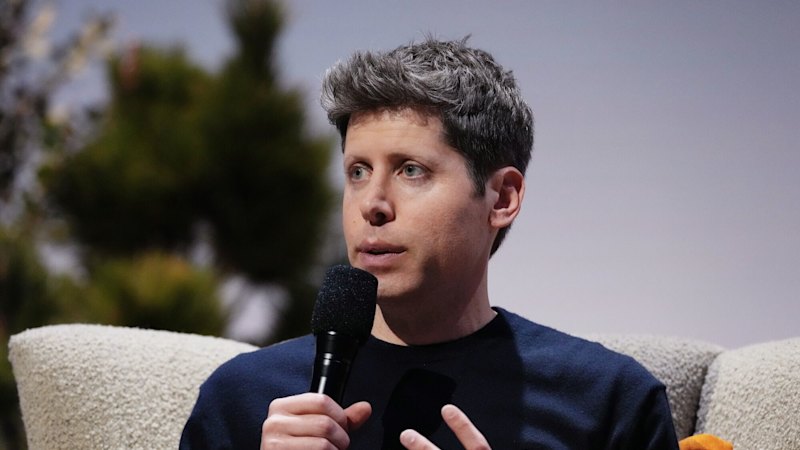
OpenAI chief executive Sam Altman backed an AI slowdown on Saturday. Now he says the public should be able to put their faith in AI firms to act responsibly without strings attached.
Adaptations for Crazy Taxi and Yakuza prequel Stranger than Heaven will be live-action, while the Sonic adaptation is set to be an animated series for kids.
With Hoban Group’s stake in Hanjin KAL nearly matching that of Hanjin Group Chairman Cho Won-tae and his interested parties, Delta Air Lines and Japan Airlines (JAL) are emerging as potentially crucial allies in maintaining the Cho family's control of Korean Air. As Hoban closes in on Cho’s stake in Hanjin KAL, Korean Air’s controlling shareholder is counting on its old ally, Delta Air Lines, to help hold the line. Delta owns a 14.9 percent stake in Hanjin KAL, making it one of the largest shareholders and a key pillar of Cho’s shareholder base. The U.S. carrier has also maintained a deep strategic relationship with Korean Air for years, and is widely considered to stand in favor of Cho’s leadership. That support could become increasingly important as the ownership structure tightens. Hoban now owns 20.15 percent of Hanjin KAL, just 0.42 percentage point below Cho and his related parties. The gap is small enough to turn every major shareholder into a potential kingmaker, particularly as Korea Development Bank (KDB) still holds a 10.58 percent stake and has yet to decide when an
Kim Sang-yeol, founder and former chairman of Hoban Group, has built the company into one of Korea’s most aggressive investors, with his latest bet on Korean Air bringing Hoban’s Hanjin KAL stake nearly level with that of the airline’s controlling shareholder. Hoban Group has so far amassed a 20.15 percent stake in Hanjin KAL, the parent company of Korean Air, putting it just 0.42 percentage point behind Hanjin Group Chairman Cho Won-tae and his related parties, which collectively own 20.57 percent. That narrow gap puts Kim in a position to challenge the balance of power at Korea’s flagship airline — particularly if Korea Development Bank (KDB) decides to sell its 10.58 percent stake. The state-run bank has yet to decide how to sell its stake in Hanjin KAL. The decision may determine who holds the upper hand in the management rights for the integrated airline that is scheduled to launch on Dec. 17 following Korean Air's takeover of Asiana Airlines. Hoban has expanded far beyond its housing construction roots through a string of acquisitions and investments, including Taihan Cab
Hyundai Motor’s autonomous driving road map is putting its ability to keep pace with Tesla under scrutiny, as the U.S. automaker rapidly gains stronger ground in Korea’s electric vehicle (EV) market. Last week, Hyundai Motor Group’s self-driving arm — 42dot — said it will introduce cars with Level 2+ autonomous driving technology based on Nvidia’s platform in the first half of 2028, followed by Level 2++ technology later that year. Vehicles equipped with the carmaker’s proprietary Atria artificial intelligence (AI) system will also be mass-produced in the second half of 2029, according to 42dot. Under the road map, the automaker seeks to close the gap with Tesla and other overseas autonomous driving leaders. But the timeline for Hyundai Motor's self-driving commercialization still leaves much to be desired, as Tesla has already turned into a consumer-facing product. Tesla’s Full Self-Driving (FSD) Supervised system is already available in Korea in limited form, although regulatory approval for its broader domestic operation remains a key hurdle. Tesla has also been expand
Hyosung Heavy Industries has secured 386.5 billion won ($277 million) worth of ultra-high-voltage transformer orders from two major U.S. Big Tech companies this month, strengthening its position as a key power infrastructure supplier amid the rapid expansion of artificial intelligence (AI) data centers. The company said Tuesday that the transformers will be installed at newly built AI data centers in the northern and southern United States. The orders include 220 billion won worth of 765-kilovolt transformers and 166.5 billion won worth of 345-kilovolt transformers. The equipment will supply electricity to power-intensive data center facilities. The latest deals reflect Hyosung Chairman Cho Hyun-joon’s yearslong efforts to establish a local production and solutions network in the U.S. Cho has described the surge in demand for power infrastructure as a “once-in-60-years supercycle” driven by AI. He has set a goal of making Hyosung Heavy Industries one of the world’s top three power equipment companies within five years by offering a broad portfolio ranging from transformers and ci
SK Group Chairman Chey Tae-won on Tuesday appealed the prosecution's decision not to indict a lawyer representing his former wife over claims that Chey spent more than 100 billion won ($74.2 million) on his live-in partner. Chey had filed a complaint against his former wife Roh Soh-yeong's lawyer, whose identity was withheld, accusing him of defamation for allegedly spreading false information about Kim Hee-young, the SK chairman's partner, during their divorce lawsuit in November 2023. Chey's legal representatives issued a statement following the prosecution's decision not to indict the lawyer last week, saying the amount claimed had been inflated by more than 50-fold because it included money paid to Roh and charitable donations. The statement said the total amount Chey and Kim spent on living expenses was approximately 2 billion won at the time the claim was made, which was verified through an examination of financial transaction records and fully explained to a court handling the property division between Chey and Roh. The 100 billion won figure cited by Roh's lawyer included not onl
Samsung Electronics said Tuesday that it has successfully completed a key technology trial for commercializing sixth-generation (6G) networks with U.S. mobile carrier Verizon Communications Inc. The two companies successfully completed an artificial intelligence (AI)-powered Integrated Sensing and Communication (ISAC) trial at a major international soccer fan event in Texas, enabling real-time sensing-driven intelligence across a virtualized network, the Korean tech giant said. The milestone marks one of the industry's first practical implementations of a key 6G technology, demonstrating how operators can leverage software-driven network architectures to create infrastructure that actively perceives, understands and responds to its surroundings. For the ISAC trial, Samsung integrated commercial AI-powered virtualized radio access network (vRAN) and virtualized core network (vCore) technologies with an ISAC application. This enabled the ISAC trial to leverage connectivity from a 5G network without requiring additional equipment. "This successful ISAC trial underscores how Verizon's decisio
Kim Ji-ho stared at his stock trading app in confusion on Monday evening. He knew that the after-hours market was opening and noticed that a stock he was interested in had risen 10 percent. But by the time he returned from the bathroom, all the gains had disappeared. "It was a little scary, so I don't think I'll be trading in the after-hours market for a while," said Kim, a 25-year-old college student. For investors who eagerly jumped in, the experience was not entirely satisfying either. Some brokerages experienced technical glitches, while some investors said the new system was confusing because they could not easily distinguish regular-session closing prices from prices in the after-hours session. Others said the separate Korea Exchange (KRX) and Nextrade after-hours markets made trading more cumbersome and confusing, as investors had to choose between two different order screens. The KRX extended stock trading hours Monday, allowing almost all listed stocks to be traded between 4 p.m. and 8 p.m. Until now, Nextrade, an alternative trading system, had been the only option for after-hou
Korea is shortening its timetable for preparing for threats in orbit, moving to a five-year cycle for its national space-risk plan as satellites multiply and solar activity creates new uncertainties. The Korea AeroSpace Administration said Tuesday that an amendment to the Space Development Promotion Act was promulgated and took effect the same day, cutting the planning cycle from 10 years to five. The change is intended to give the government more flexibility as private sector space development accelerates, satellite launches increase and the risk of collisions involving orbital debris grows. The previous law required the government to establish its basic plan for preparing against space risks every 10 years. The Korea AeroSpace Administration said the rapid increase in low-Earth-orbit satellites and fluctuations in space weather linked to solar activity have underscored the need for more frequent policy reviews. Under the revised law, the five-year cycle will also apply to plans adopted before the amendment took effect. That means the second Basic Plan for Space Risk Preparedness, adopted
Samsung SDS has become the first Korean company to earn Select-tier status in Anthropic’s Claude Partner Network (CPN), strengthening its ability to help businesses adopt and operate Claude-based artificial intelligence (AI) services. The designation comes about two months after the company signed a strategic partnership with the U.S. firm in July at an AI summit in San Francisco to expand enterprise AI business opportunities in Korea. The CPN’s Select tier recognizes partners with certified technical expertise and experience deploying Claude-based solutions in customers’ production environments. Samsung SDS said the new status strengthens its end-to-end AI adoption framework, covering consulting on Claude deployment, access to the model through Amazon Web Services’ (AWS) Amazon Bedrock platform, service implementation and operations and ongoing technical support. “By combining Anthropic's frontier AI technology with Samsung SDS's digital transformation expertise across industries, we will accelerate domestic companies’ AI adoption and help create tangible business value,”
Global X, the New York-based provider of exchange-traded funds (ETFs), announced Tuesday the launch of a new fund that seeks to invest in the manufacturers of multilayer ceramic capacitors (MLCCs) and related components. A key building block of many modern electronic devices, MLCCs are used in artificial intelligence (AI) servers, electric vehicles, smartphones and other items. Roughly 85 percent of the global MLCC industry is controlled by five manufacturers based in Japan, Korea and Taiwan. The Global X MLCC & Electronic Components ETF provides exposure to all of these companies, which can be difficult for U.S. investors to access directly. Its portfolio includes Murata Manufacturing, Samsung Electro-Mechanics, Yageo Corp., TDK Corp. and many others. "The manufacturers of these components sit at a genuine chokepoint in the AI supply chain and could be difficult to access directly through U.S.-listed shares," said Pedro Palandrani, head of product research & development at Global X. Global X has long been known for thematic ETFs, including innovations such as its AI and technology ETF,
Asiana Airlines passengers will be able to keep their existing mileage and use it on Korean Air-operated flights for 10 years after the two airlines merge, under a mileage integration plan approved by Korea’s antitrust regulator Monday. The Fair Trade Commission (FTC) approved Korean Air’s revised plan with conditions aimed at preserving customer benefits and expanding opportunities to redeem mileage following the carriers’ merger on Dec. 17. Under the plan, Asiana mileage will be managed separately for 10 years from the merger date, even after Asiana ceases to exist as a corporate entity. Customers will not have to immediately convert their Asiana mileage to Korean Air’s program. During the 10-year period, Asiana customers will retain the airline’s existing redemption standards and expiration rules. They will also be able to use their mileage across all Korean Air-operated routes for award tickets, seat upgrades, mileage-and-cash payments and shopping. Customers who choose to convert their Asiana mileage can do so at any time during the 10-year period. Flight-earned mileage wi
Software company Hancom plans to launch Nomadian, an artificial intelligence (AI) workforce platform that allows solo entrepreneurs to assemble teams of task-specific AI agents, targeting the U.S. market with a beta release planned for December. Hancom said Tuesday it has formed a dedicated task force to develop the web-based platform, which will be offered on a software-as-a-service (SaaS) basis, with a full subscription service planned for 2027 following the beta release. Nomadian is designed primarily for the growing number of solo entrepreneurs and small businesses in the United States, allowing users to hire AI agents for roles such as data analysis, content marketing and email marketing, and connect them to the tools they need. Users will be able to issue a task in a single sentence, prompting the platform to break it down into smaller tasks and assign them to appropriate AI agents, while they can also create custom agents for roles that are unavailable. The agents can produce documents, spreadsheets and presentations. The agents' work is displayed in a 3D virtual office, allowing
E-commerce giant Coupang Corp. said Tuesday it has launched an information-dedicated committee to overhaul its security system and bolster public confidence in the company. The move comes months after the company was slapped with a record fine of 624.7 billion won ($460 million) by the Korean government in June over a massive customer data leak late last year. "We will continue to improve our security system by incorporating the expertise and know-how of specialists, while striving to exceed global standards," a Coupang official said. The Information Security Advisory Committee consists of seven experts in information security, law, management and information technology (IT), the company said. They include Coupang Chief Information Security Officer (CISO) Brett Matthes, Eumene Kang, a senior adviser at law firm Kim & Chang, and Kim Hyun-kyung, a professor at Seoul National University of Science and Technology. At their first meeting Tuesday, the committee members discussed changes in relevant laws and regulations, growing security threats in the market and possible countermeasures. U.S.-li
Korea's homegrown Nuri rocket will carry 15 satellites on its fifth launch next month, including five satellites that will form part of the country's first domestically launched microsatellite constellation, the space agency said Tuesday. The launch is scheduled for Oct. 7 between 12:23 p.m. and 1:23 p.m. from the Naro Space Center in Goheung, about 330 kilometers south of Seoul, with the exact time to be decided on launch day, the Korea AeroSpace Administration (KASA) said. The payload consists of five New-space Earth Observation Satellite Constellation for National Safety (NEONSAT) as the primary payload and 10 CubeSats as secondary payloads. The five NEONSATs weigh about 500 kilograms combined, while the CubeSats weigh about 96 kilograms. The mission will be Nuri's first attempt to deploy multiple satellites performing the same mission sequentially into orbit. To prevent collisions, the five NEONSATs will be released in different directions at intervals of 35 to 40 seconds. "On its fifth launch, the Nuri rocket will attempt Korea's first satellite constellation launch mission," Park J
Inflation has thinned consumers’ wallets, yet budget and midrange smartphones are losing ground just when buyers need affordable options most. Soaring component costs, particularly for memory chips, are making it harder for manufacturers to sustain a low-margin, high-volume business model. As manufacturers focus on expanding their premium foldable phone lineups, consumers are increasingly turning to repairs and secondhand devices. iPhone 17e surpasses 1 million won Rising prices for budget and midrange smartphones are putting further pressure on consumers. According to smartphone industry observers Monday, Apple raised the price of its entry-level iPhone 17e, released in March, by 16.1 percent on Thursday, from 990,000 won ($726) to 1.15 million won. The company repriced the existing model as it launched its new iPhone 18 series at substantially higher prices amid so-called “chipflation” driven by global chip shortages. Samsung Electronics has also raised prices for its entry-level Galaxy A series. The Galaxy A37, released in Korea in June, costs 598,400 won, up 19.8 percent from la
China is surging ahead of the US in consumer AI adoption as technology giants like Tencent Holdings and Alibaba Group Holding embed artificial intelligence directly into popular everyday apps, even as American models lead in capability, according to Morgan Stanley. A survey conducted by the bank and published in a report on Monday showed that 80 per cent of Chinese respondents used AI for personal purposes at least weekly, compared with 54 per cent in the US. China’s generative AI user base grew...
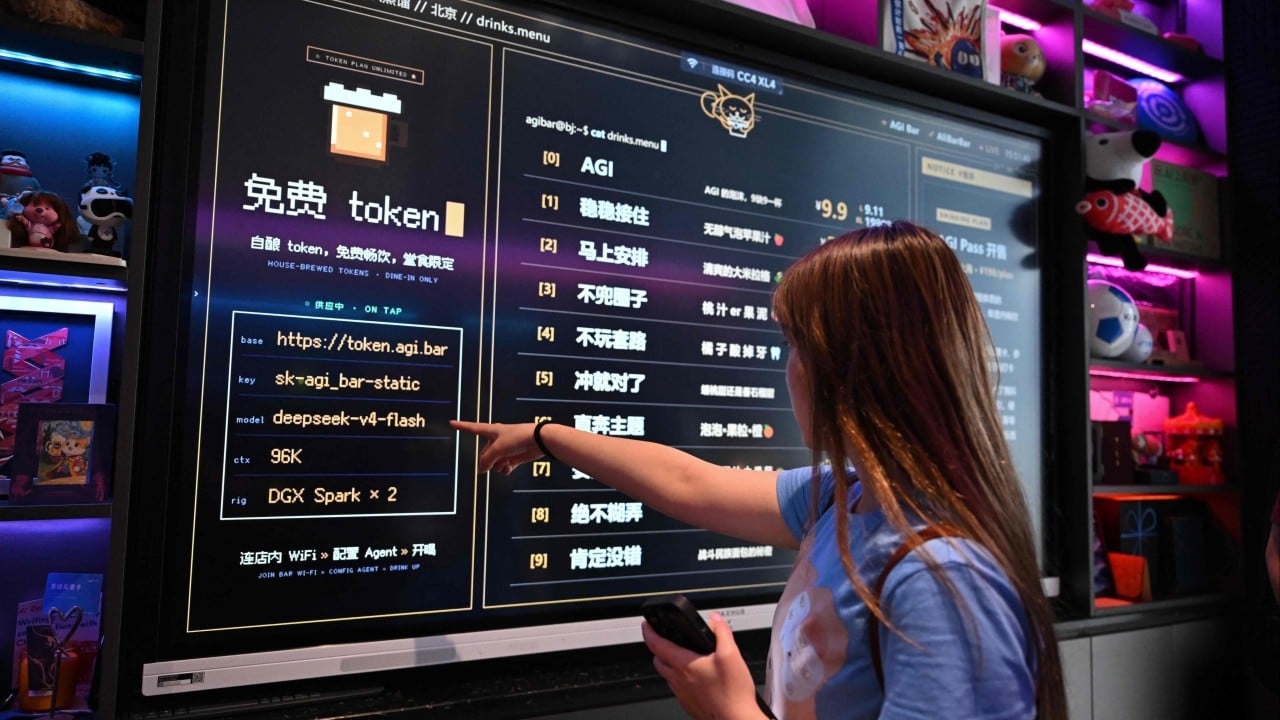
When generative artificial intelligence first swept through China’s technology sector, workers faced a clear directive from management: use AI and use it often. Consuming vast numbers of AI tokens – the basic unit of computing power needed to process text or write code – became a badge of honour, with companies often viewing a high token count as a sign that employees were productive and taking initiative. But those computing allowances are now being sharply rolled back as China’s leading...
Choi Jae-boong, professor of interdisciplinary AI service design at Sungkyunkwan University, said education in the era of artificial intelligence (AI) should focus on cultivating humanity, while universities should move away from simply trying to restrict students’ use of AI and instead rethink how their curricula are designed. Choi shared such visions during his keynote speech at the 2026 Korea Times Global Conference at Korea Chamber of Commerce and Industry building in Seoul, Tuesday. Under the theme of “Beyond AI: building human-centered leadership for the next era,” he stressed that AI innovation is an inevitable future and that both leadership and education must undergo a fundamental shift to prepare for it. “Many Big Tech companies carried out layoffs over the past several years, but when I looked at their headcounts again earlier this year, they had increased because the companies were hiring more AI talent,” Choi said. “However, the focus of Korean universities last year and even this year was how to prevent students from using AI to do their assignments. Almost no
Justice minister nominee Kim Seung-won said Tuesday, that if he is appointed, he will prevent information about an investigation by the police or prosecution from being “used politically.” His pledge is an apparent counterattack against independent Rep. Han Dong-hoon’s disclosure of probe materials about Kim’s alleged illegal lobbying activities. The justice minister nominee said Han, a former prosecutor, should disclose how he obtained the investigation materials. "If I am given the opportunity to serve as minister, I will correct [the practice of] the political use of investigative information," Kim said in his opening remarks at his confirmation hearing at the National Assembly. Kim, also a two-term lawmaker, was suspected of using his influence to lobby for the approval of a pharmaceutical company's COVID-19 clinical drug trial in October 2021, although prosecutors later suspended the indictment following an investigation. Han brought back the allegation after Kim's nomination was announced. Kim and the ruling Democratic Party of Korea (DPK) then claimed that Han obtained con
Korea’s Fair Trade Commission (FTC) has approved Korean Air’s revised plan to integrate its mileage program with Asiana Airlines' program, setting conditions to preserve customer benefits and broaden opportunities to redeem points after the carriers merge. The country’s top antitrust watchdog approved the plan on Monday, nearly two years after it conditionally cleared Korean Air’s acquisition of Asiana. Under the original remedy package, Korean Air was required to submit a mileage integration proposal within six months of completing the acquisition on Dec. 12, 2024, and obtain regulatory approval before implementing it. Korean Air submitted its final proposal to the FTC on Sept. 1 after seven meetings with the regulator and four rounds of requests for revisions. Under the approved plan, Asiana mileage will be separately managed for 10 years from the date of the airlines’ official merger on Dec. 17, even after Asiana ceases to exist as a corporate entity. During that period, Asiana customers may retain their existing mileage instead of converting it to Korean Air’s program. As
Hyosung Heavy Industries Co. said Tuesday it has secured 386.5 billion won ($286.7 million) in power transformer deals with two U.S. technology companies as Hyosung Group Chairman Cho Hyun-joon step ups the group's push into artificial intelligence (AI) infrastructure. The Korean company will supply 765-kilovolt (kV) ultra-high-voltage transformers worth 220 billion won for an AI data center in the southern United States and 345-kV transformers worth 166.5 billion won for another facility in the northern part of the country. The latest contracts come as Hyosung Group expands its power equipment business amid surging U.S. electricity demand driven by the rapid growth of AI data centers. "With demand for power infrastructure surging in the AI era, the industry is entering a supercycle for the first time in 60 years," Cho said in a release. Cho said Hyosung aims to become one of the world's top three players within five years by providing integrated power solutions ranging from transformers and circuit breakers to power stabilization systems, including high-voltage direct current (HVDC), st
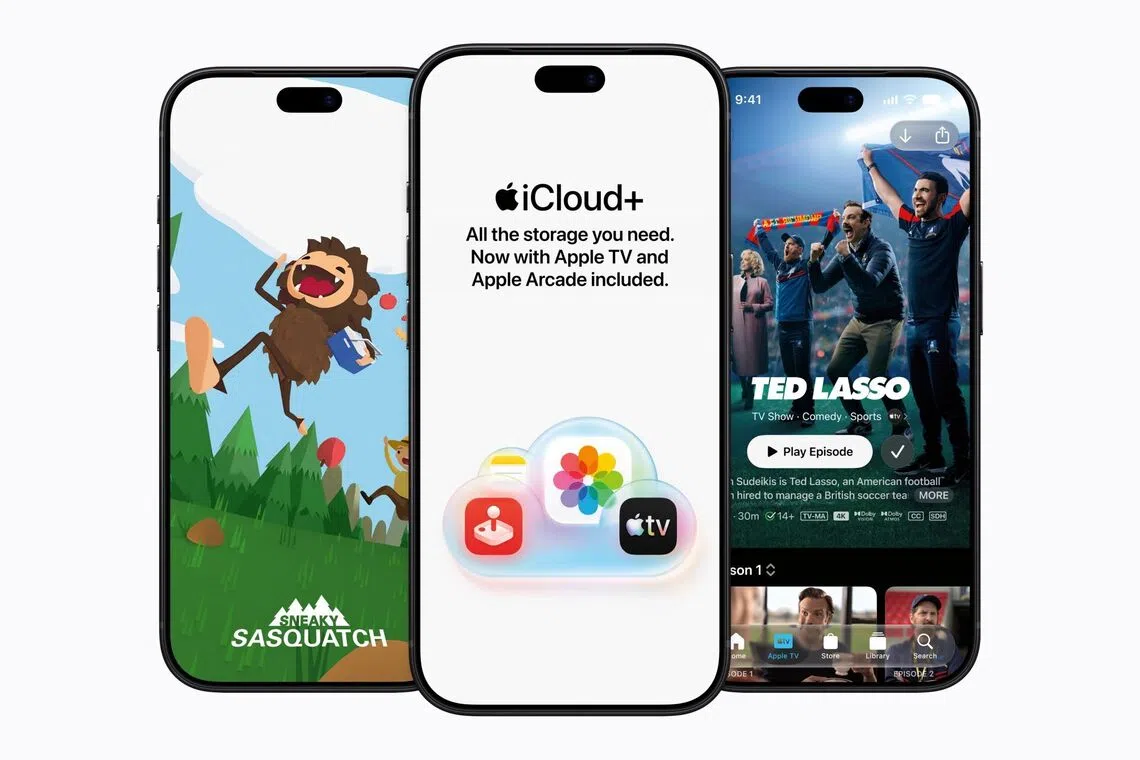
Starting from S$1.48 a month, the expanded iCloud+ bundle replaces standalone Apple TV and Arcade subscriptions
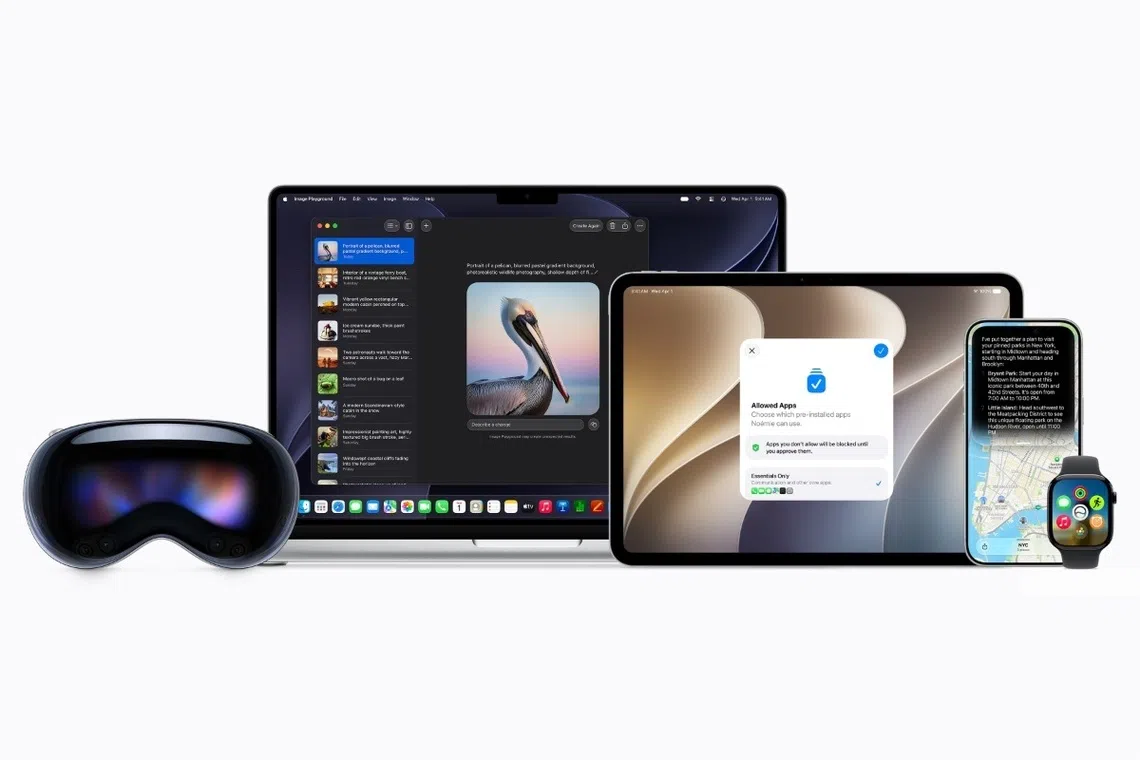
Apple’s next-generation software updates is arriving days before the release of the iPhone 18 Pro, Apple Watch Series 12, and Apple Watch Ultra 4.
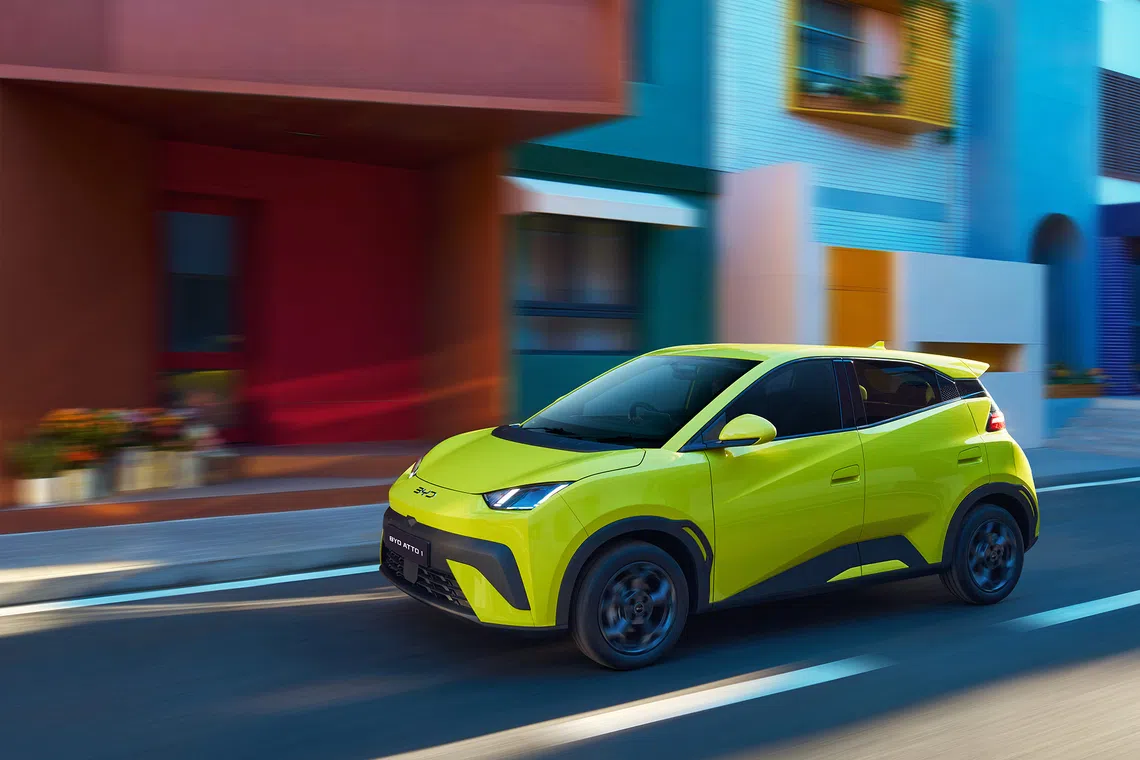
The Atto 1 is by no means the first electric hatchback, but more options are welcome in this relatively underserved space.
Sep 14, 2026
LG CNS has received a plaque of appreciation from Indonesia’s Directorate General of Taxes (DGT) for its contribution to the successful implementation and stabilization of the country’s next-generation tax administration system. The plaque was presented Friday at DGT headquarters in Jakarta, with LG CNS Executive Vice President Kim Hong-keun, DGT Director General of Taxes Bimo Wijayanto and Iwan Djuniardi, an expert staff member to the Indonesian finance minister for tax regulation and enforcement, among others, in attendance. Coretax is a nationwide digital tax administration system operated by DGT, an agency under Indonesia’s Ministry of Finance. It integrates key tax processes, including taxpayer registration, filing, payment, refunds, audits and collection, into a single platform. LG CNS formed a consortium with Austrian IT company Qualysoft to implement Coretax and completed the project in December 2024. The Korean IT services company then provided operational and technical support through March 2026 to help stabilize the system. Since DGT took over system operations in April,
Korea's two major chipmakers, Samsung Electronics and SK hynix Inc., have rejected a proposal from state-run Korea Electric Power Corp. (KEPCO) to prepay five years' worth of electricity bills, industry sources said Monday. Debt-ridden KEPCO recently proposed that Samsung Electronics pay 20 trillion won ($14.8 billion) and SK hynix pay 5 trillion won in advance, amounts equivalent to roughly five years of electricity bills based on the companies' payments last year, they said. Samsung Electronics and SK hynix reportedly notified KEPCO of their decisions after conducting internal reviews and concluding that accepting the proposal would be difficult. The decision is seen as reflecting concerns about committing such a large amount of money upfront when it is uncertain whether the semiconductor industry's current artificial intelligence (AI) boom will continue. While the proposed prepayment scheme could have helped expand power infrastructure for semiconductor clusters under construction in Yongin, just south of Seoul, and the country's southwestern Honam region, the companies appear to have
Air Premia is adding Sapporo to its Japan network this winter, betting on demand for snow, winter festivals and Hokkaido travel with four weekly flights from Incheon. The airline said Monday it will begin operating the Incheon-Sapporo route Dec. 2, making it its second destination in Japan after Narita. Flights will operate Wednesdays, Thursdays, Saturdays and Sundays using Boeing 787-9 aircraft, with departures from Incheon at 9:40 am and arrivals at New Chitose Airport at 12:20 pm. Return flights will leave Sapporo at 1:45 p.m. and arrive in Incheon at 5:15 p.m., according to Air Premia. Sapporo, Hokkaido’s largest city and regional center, becomes Air Premia’s gateway to northern Japan as the airline expands beyond its existing connection to the Tokyo area. The new route is scheduled to begin as the winter travel season gets underway, offering access to Sapporo’s winter events and illuminations as well as destinations including Otaru and Biei, the airline said. Air Premia said tickets for the new route will go on sale at 10 a.m. Monday through its website and mobile app. A promotio