Most Recent

GM Korea's multi-brand strategy falls short on localization
General Motors (GM) Korea’s decision to bring to market its first Buick model — imported entirely from China — is putting its multi-brand strategy at odds with its commitment to local production, experts and industry officials said Tuesday. Last week, the carmaker unveiled Buick, positioning the premium brand as a key pillar of the strategy to offer consumers a wider range of products, along with its other brands, such as GMC, Cadillac and Chevrolet. But since Buick’s first model, the Electra E7 plug-in hybrid electric vehicle (PHEV), will be imported from China, the latest decision has also renewed questions about GM Korea’s long-term commitment to domestic production. In March, GM Korea announced a $600 million (806 billion won) investment plan to expand its production infrastructure. At a media briefing, GM Korea CEO Hector Villarreal highlighted the benefits of operating multiple brands and providing customers with greater choice. But when asked whether Buick or other new models could eventually be produced in Korea, Villarreal did not offer a specific commitment. Kim Pil-so

Nuri rocket set for 5th launch to place 15 satellites into orbit
Korea's homegrown Nuri rocket is set for its fifth launch Wednesday, carrying 15 satellites, including five that will form part of the country's first domestically launched microsatellite constellation. The three-stage rocket is scheduled to lift off from the Naro Space Center in Goheung, about 400 kilometers south of Seoul, at 12:25 p.m., Oh Tae-seok, administrator of the Korea AeroSpace Administration (KASA), said. Oh said the rocket is technically ready for launch, with weather and space conditions also favorable and no concerns over potential collisions with space objects, allowing the launch to proceed as scheduled. The payload consists of five New-space Earth Observation Satellite Constellation for National Safety (NEONSAT) microsatellites and 10 CubeSats. About four hours before liftoff, the launch team will begin filling the three-stage rocket with kerosene fuel and liquid oxygen oxidizer after completing system checks. Nuri's first and second stages will separate about 123 and 268 seconds after liftoff, respectively, with satellite deployment beginning between 810 and 960 seconds
Musk’s SpaceX in talks to borrow US$40 billion to buy Nvidia chips
Firms are investing and borrowing billions to build and lease data centres that power AI systems
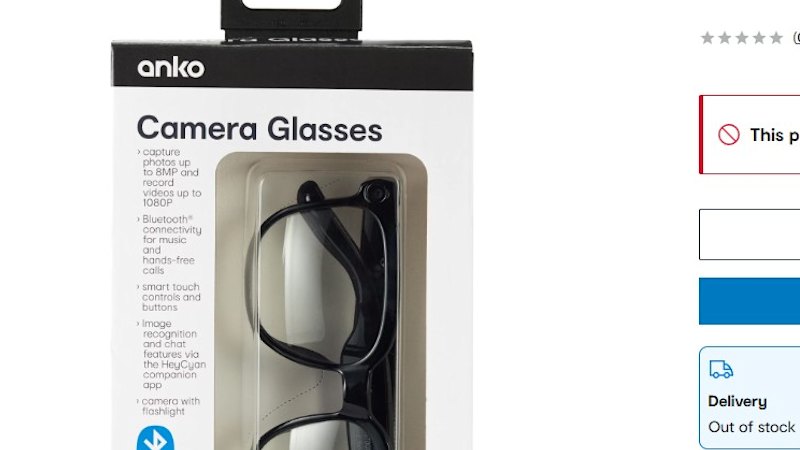
Kmart’s $89 camera glasses removed from sale online amid privacy backlash
The cut-price Anko glasses sold out within a week. Now they’re gone, and the privacy watchdog is investigating the company behind their app.
Apple’s smart home push includes doorbell, lock, thermostat co-developed with LG
The firm’s new devices are set to be introduced on Oct 13
‘Legitimate concern’: JPMorgan CEO Dimon says Anthropic’s Mythos pushed cyber risk up 10 times
AI has ‘created vulnerabilities that we didn’t know about’, he notes
Sneak peek: Government gave AI giant early look at data centre rules
Anthropic says it received the draft rules to help consider its MOU with the Australian government, and denies any influence over how new data centres will be rolled out in Australia.

As China’s AI race accelerates, ‘model fatigue’ becomes the next challenge
On September 22, the global artificial intelligence landscape spun on its axis within a matter of hours. In Beijing, Xiaomi engineers went live with an unusual broadcast, streaming the training run of their new MiMo-V2.6 model. In San Francisco, Anthropic unveiled its frontier Opus 5.5 model. About an hour later, OpenAI crashed the party with the surprise release of its GPT-6 Sol and Luna models. For tech executives and developers trying to keep pace, it was just another overwhelming day in the...

Coke and Pepsi conned us into believing litter was our fault. This trick is even worse
In the 1970s, Keep America Beautiful created the “Crying Indian” ad showing a Native American shedding tears as people throw rubbish into rivers. It was not what it seemed. For a start, the actor was Italian.
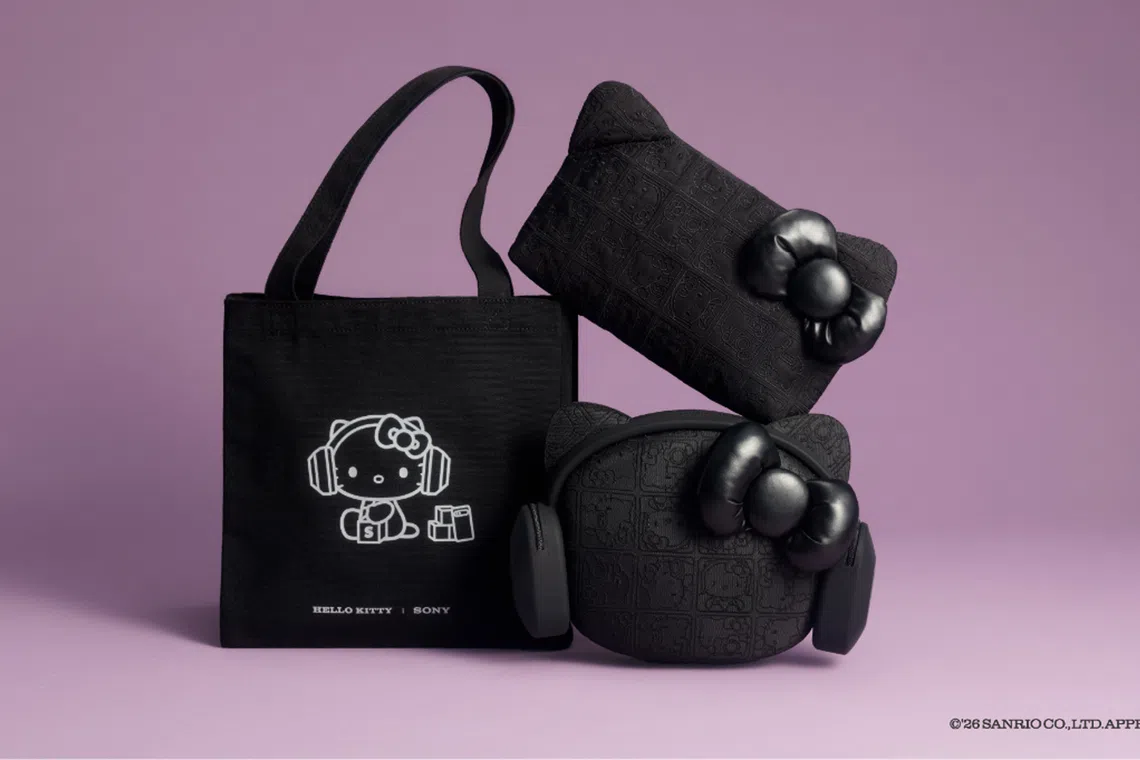
Sony teams up with Hello Kitty for limited-edition merch and drops
Even more stunning, the merch comes paired with already popular Sony products, like its flagship WH-1000XM6 headphones.