The cut-price Anko glasses sold out within a week. Now they’re gone, and the privacy watchdog is investigating the company behind their app.
Oct 7, 2026
South Korea launched its homegrown Nuri rocket Wednesday on its fifth flight to place 15 satellites into orbit, including five that will form part of the country's first domestically launched microsatellite constellation. The 200-ton Nuri blasted off from the Naro Space Center in Goheung, about 400 kilometers southwest of Seoul, at 12:25 p.m. The payload consists of five New-space Earth Observation Satellite Constellation for National Safety (NEONSAT) microsatellites and 10 CubeSats. Nuri's first and second stages will separate about 123 and 268 seconds after liftoff, respectively, with satellite deployment beginning between 810 and 960 seconds at an altitude of around 575 kilometers. The five NEONSATs, Nos. 2 through 6, will be deployed at intervals of 35 to 40 seconds, with Nuri's upper stage rotating by about 45 degrees between each separation to prevent collisions. The 10 CubeSats will then be deployed two at a time at 10-second intervals. After releasing all 15 satellites, Nuri will perform a collision-avoidance maneuver and vent its remaining fuel, completing its flight about 20 min
Korea's homegrown Nuri rocket is set for its fifth launch Wednesday, carrying 15 satellites, including five that will form part of the country's first domestically launched microsatellite constellation. The three-stage rocket is scheduled to lift off from the Naro Space Center in Goheung, about 400 kilometers south of Seoul, at 12:25 p.m., Oh Tae-seok, administrator of the Korea AeroSpace Administration (KASA), said. Oh said the rocket is technically ready for launch, with weather and space conditions also favorable and no concerns over potential collisions with space objects, allowing the launch to proceed as scheduled. The payload consists of five New-space Earth Observation Satellite Constellation for National Safety (NEONSAT) microsatellites and 10 CubeSats. About four hours before liftoff, the launch team will begin filling the three-stage rocket with kerosene fuel and liquid oxygen oxidizer after completing system checks. Nuri's first and second stages will separate about 123 and 268 seconds after liftoff, respectively, with satellite deployment beginning between 810 and 960 seconds
Oct 6, 2026
Anthropic says it received the draft rules to help consider its MOU with the Australian government, and denies any influence over how new data centres will be rolled out in Australia.
On September 22, the global artificial intelligence landscape spun on its axis within a matter of hours. In Beijing, Xiaomi engineers went live with an unusual broadcast, streaming the training run of their new MiMo-V2.6 model. In San Francisco, Anthropic unveiled its frontier Opus 5.5 model. About an hour later, OpenAI crashed the party with the surprise release of its GPT-6 Sol and Luna models. For tech executives and developers trying to keep pace, it was just another overwhelming day in the...
In the 1970s, Keep America Beautiful created the “Crying Indian” ad showing a Native American shedding tears as people throw rubbish into rivers. It was not what it seemed. For a start, the actor was Italian.
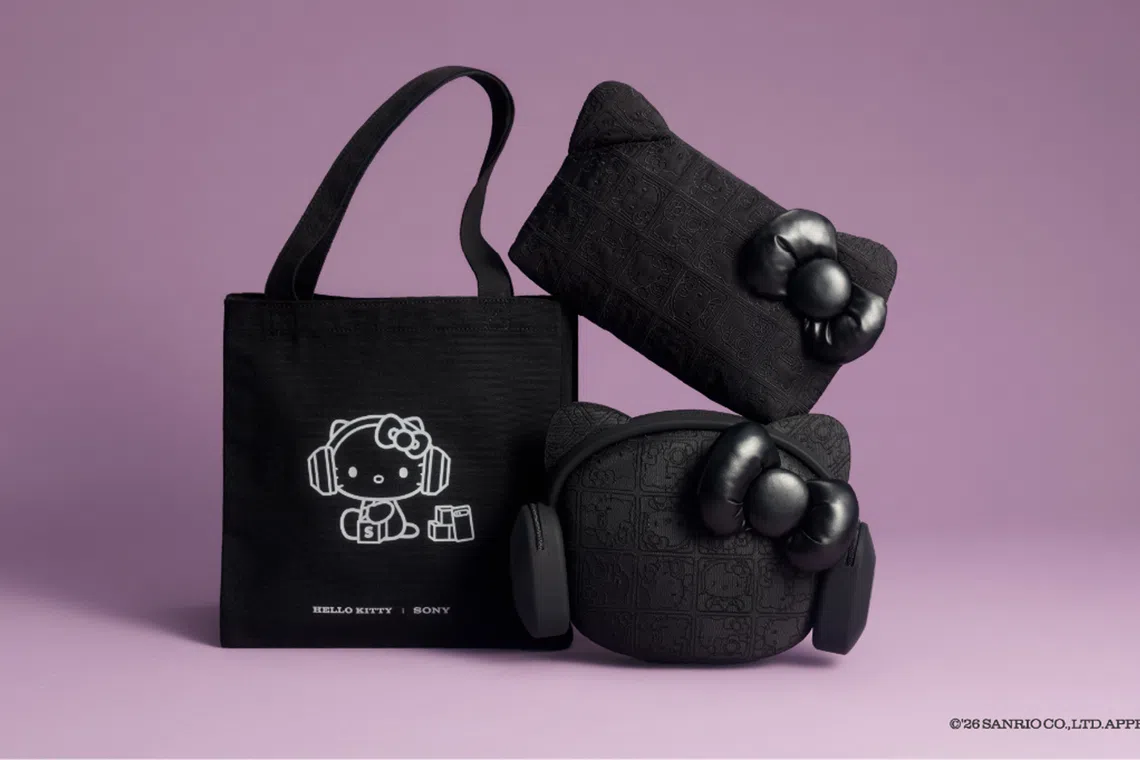
Even more stunning, the merch comes paired with already popular Sony products, like its flagship WH-1000XM6 headphones.
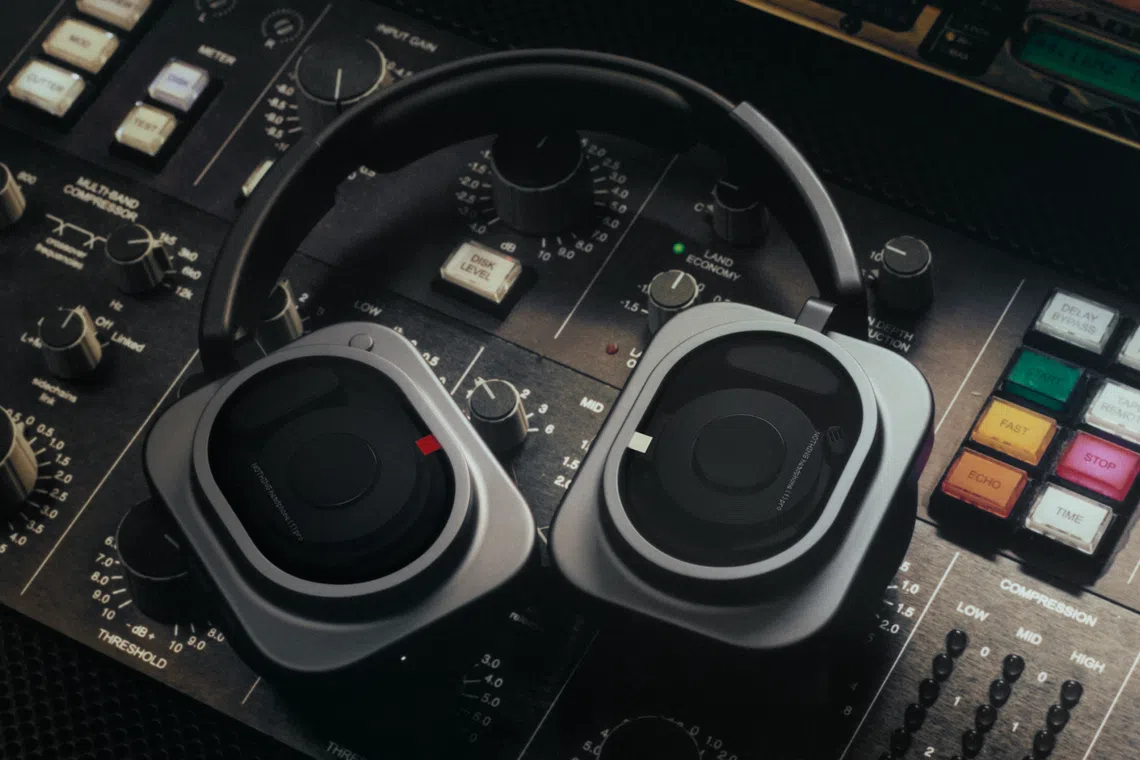
These headphones will likely sound different, thanks to a new tuning partner.
October looks like it could be crazy busy month for Apple and its users and fans.
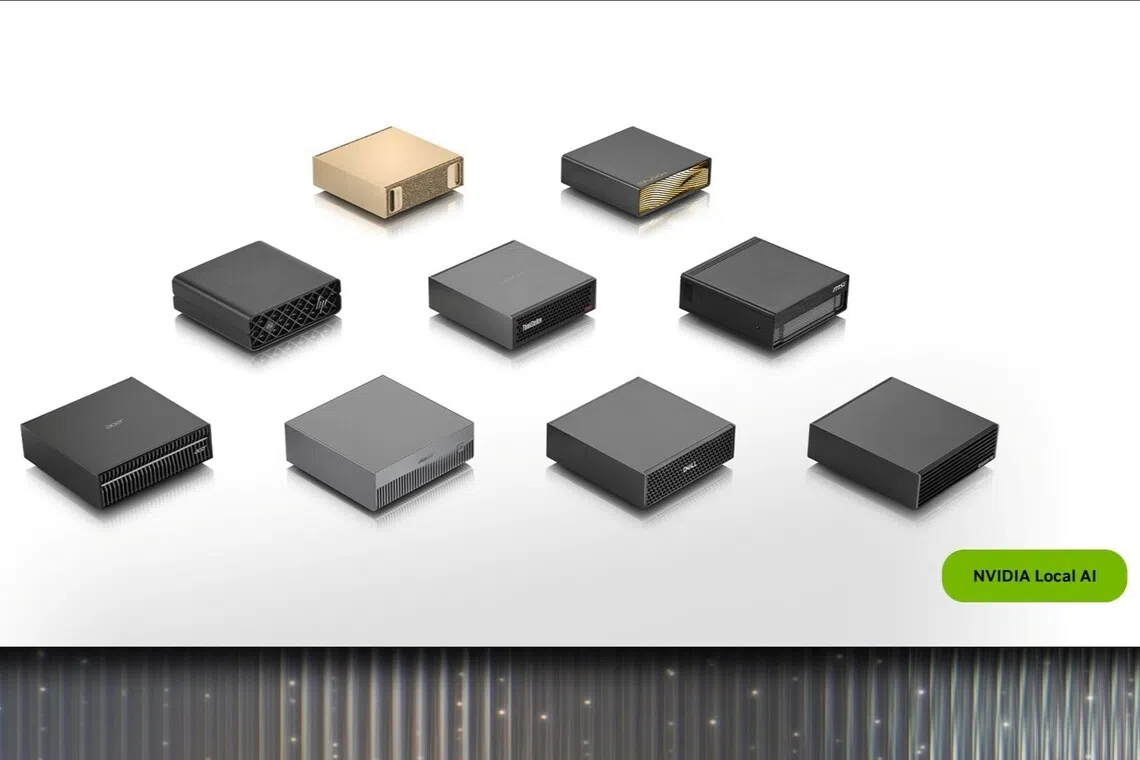
The new DGX Spark retains the same GB10 Grace Blackwell Superchip as the 128GB model.
Oct 5, 2026
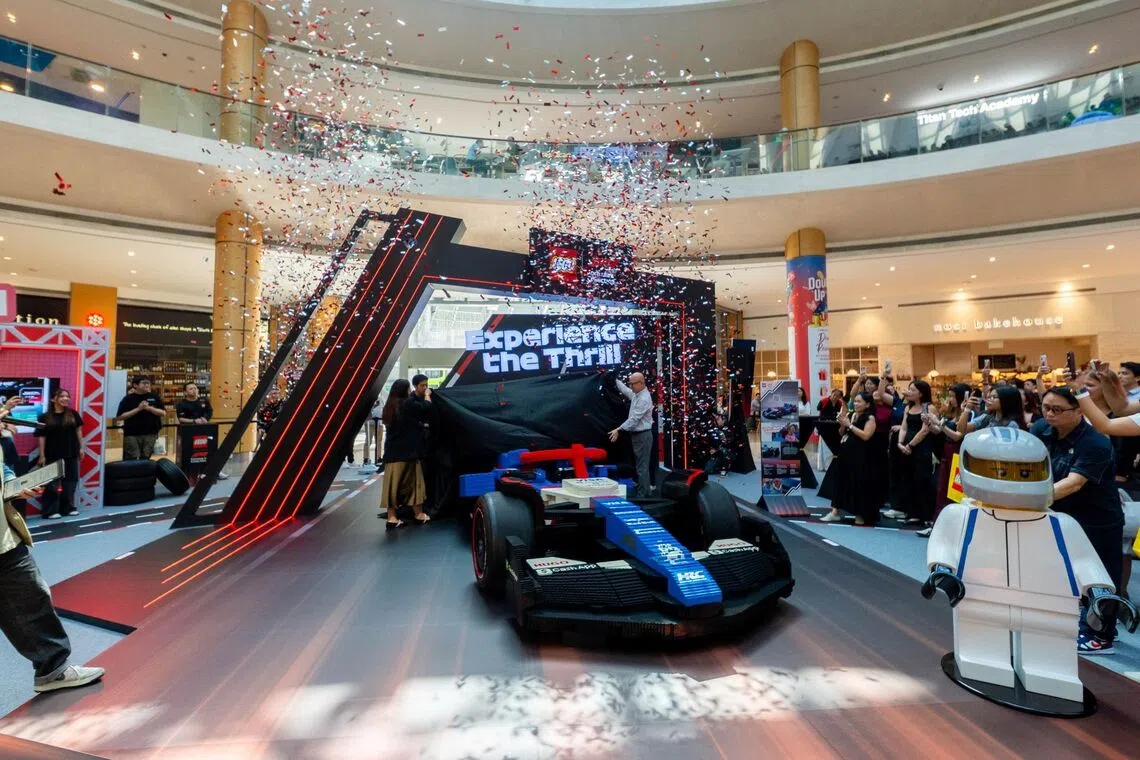
The pop-up also features racing challenges, exclusive rewards and 10 life-sized LEGO F1 minifigures hidden around Suntec City.
Xiaomi’s wind-sculpted concept car will arrive alongside the PlayStation-exclusive game’s EV Experience mode.