Most Recent

GM Korea's Sept. sales surge 73.3% on strong exports
GM Korea, the Korean unit of General Motors, said Thursday its sales surged 73.3 percent in September from a year earlier, driven by strong overseas demand. The company sold 41,101 vehicles last month, up from 23,723 units a year earlier, on robust sales of the Chevrolet Trax Crossover and the Trailblazer sport utility vehicle (SUV), GM Korea said in a press release. Domestic sales fell 40.9 percent to 727 units from 1,231, while exports jumped 79.5 percent to 40,374 from 22,492. From January to September, sales rose 17 percent to 381,785 units from 326,381 in the year-ago period. Domestic sales plunged 36.4 percent to 7,495 from 11,785 during the same period, while exports climbed 19 percent to 374,290 from 314,596. As part of its two-track strategy, GM Korea sells both locally assembled and imported vehicles in Korea, Asia's fourth-largest economy. Its current lineup consists of two locally assembled models — the Trailblazer and Trax Crossover — and one imported model, the GMC Sierra Denali. The Buick Electra E7 plug-in hybrid SUV is expected to be added to the lineup as early as next
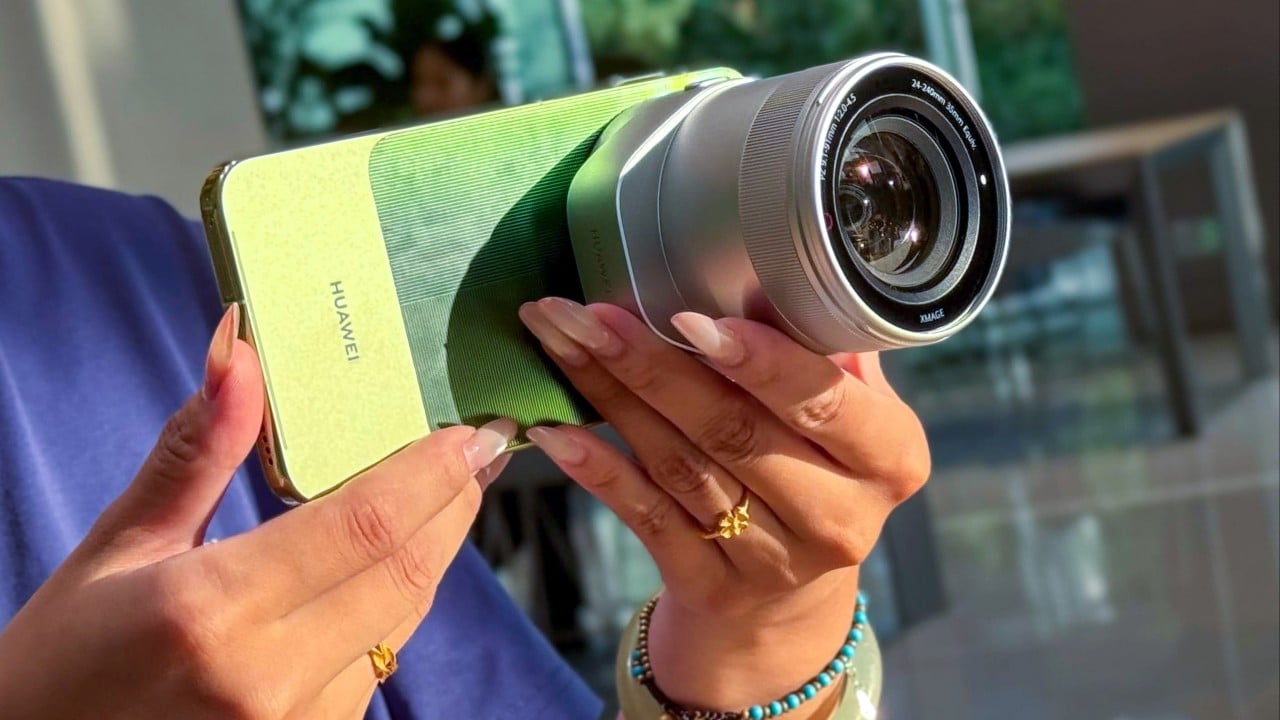
Huawei steps up Tau chip roll-out, with Mate XT 2 on track for 1 million sales
Huawei Technologies is making rapid progress in rolling out a new breed of advanced chip based on its self-developed Tau Scaling Law, with the Chinese company set to adopt the processors across the newly released Mate 90 smartphone series. The roll-out marks another step forward in the Chinese tech giant’s push to overcome stringent US export curbs, which has seen Huawei rewire its smartphone business to run on home-grown technology. Speaking at a press briefing on Tuesday, Huawei consumer...
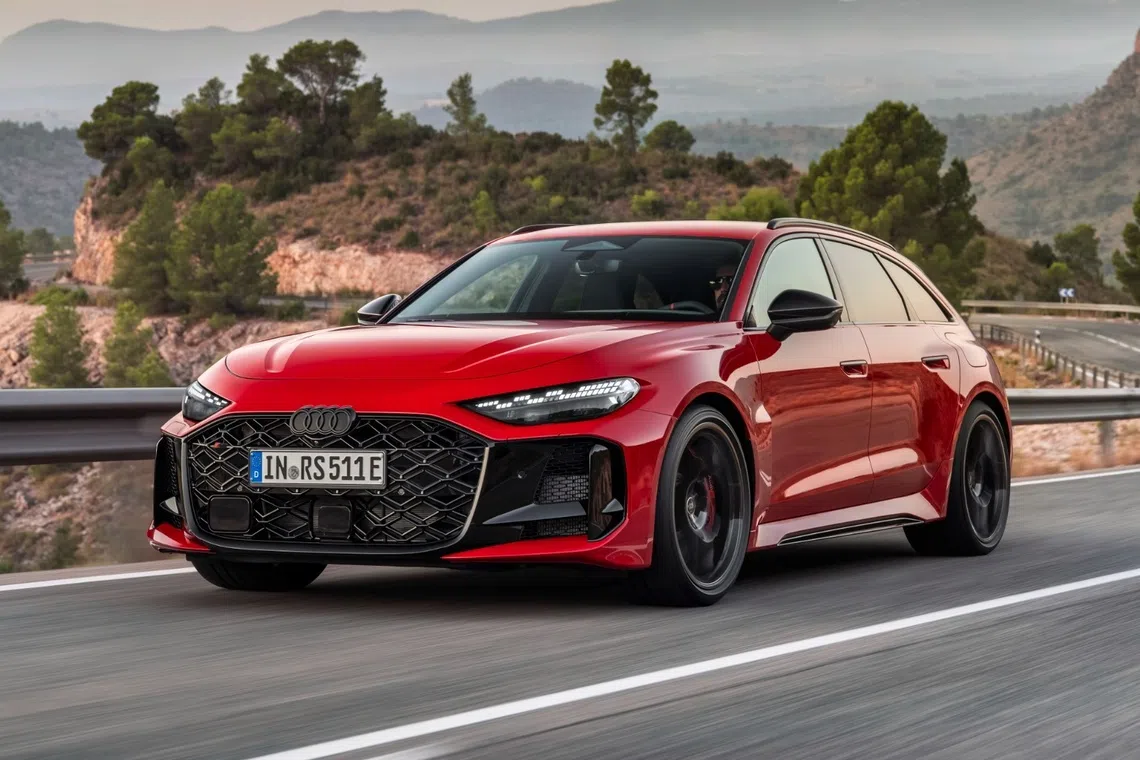
Audi’s fire-breathing 630hp RS5 is now available in Singapore
The new RS5 is the first Audi RS car to feature a hybrid powertrain.
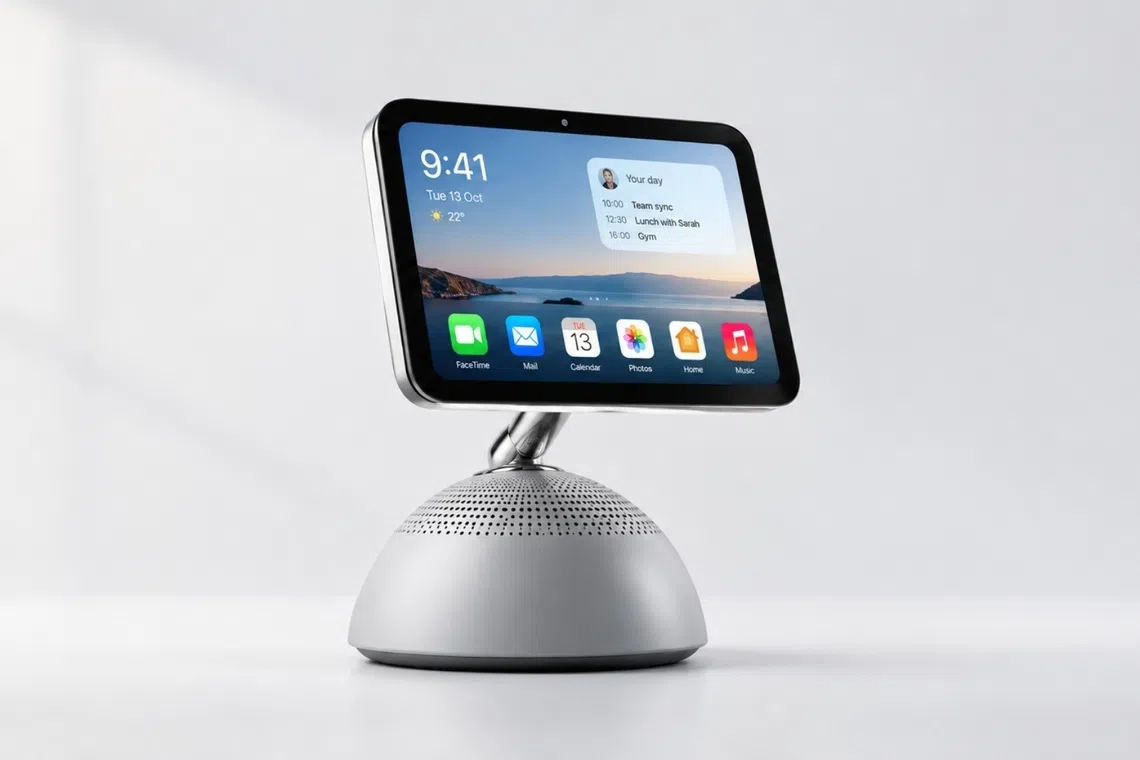
Could Apple be unveiling its rumoured smart home hub in October?
Word on the street is that Apple could announce its new smart home hub on 13 October.
AI is about to get a body. How can we be ready?
Singapore has an opportunity to position itself as a critical node in robotics and adjacent industries

I owe an AI panic sceptic a beer. But she was only half right
Three weeks ago, I said we should heed AI’s doom warnings. With a valuation for OpenAI of $US1.4 trillion, investors aren’t concerned one bit.

Planned cut to bank hours sparks debate among customers
A planned 30-minute reduction in bank branch hours is drawing mixed reactions from customers, with many worrying that shorter service hours could make it harder to get in-person banking services. Under a tentative labor-management agreement reached Monday, bank branches will open at 9:30 a.m. starting April next year, instead of the current 9 a.m., while closing hours will remain unchanged at 4 p.m. Some customers said the shorter hours could worsen already long waits as banks continue to reduce the number of branches and staff. "Even when I go in the morning, there are already long lines, and there are fewer employees available during lunch breaks. I don't understand why they are shortening the hours. If anything, they should keep the branches open until later," said Park, an office worker in Seoul. Some online users suggested that if banks are going to shorten their operating hours, they should instead open later and close later, saying longer evening hours would make it easier for office workers to visit branches after work. The issue is particularly relevant for customers looking for

Starlink Wi-Fi raises cost dilemma for LCCs
Korea’s low-cost carriers (LCCs) are caught in a dilemma over rising demand for Starlink in-flight Wi-Fi, as the service carries hefty installation and operating costs for most budget airlines. Korean Air started introducing the service for the first time among local carriers in mid-September, initially focusing on long-haul routes. The flag carrier is expected to face few difficulties in expanding the service across its fleet stably due to the airline’s stronger financial resources than LCCs. Korean Air plans to expand its free Wi-Fi service to most of its fleet by the end of 2027 following its integration with Asiana Airlines. The service will also be introduced to its LCC affiliates. Jin Air plans to begin installing Starlink on its Boeing 737-8 aircraft, while Air Busan and Air Seoul are reviewing suitable aircraft for the system. The three LCCs will be merged into converged Jin Air following the integration of Korean Air and Asiana Airlines. However, other LCCs controlled by smaller parent firms than Korean Air are widely expected to face a tougher cost challenge when introducin

AMD chief to visit Korea next month: sources
Lisa Su, chief executive officer of Advanced Micro Devices Inc. (AMD), is expected to visit Korea next month to meet with Korean semiconductor companies and government officials, industry sources said Wednesday. The visit would come about seven months after her previous trip to Korea in March. According to government and semiconductor industry sources, a meeting attended by Su is being considered for Oct. 8 in Seoul. The meeting is expected to include the CEOs of major Korean artificial intelligence (AI) semiconductor companies, including Rebellions Inc., FuriosaAI and Mobilint. Su is also expected to meet with Science Minister Bae Kyung-hoon around the time of the meeting, the sources said. During her visit, Su is also coordinating meetings with heads of major Korean companies, including Samsung Electronics Co. When she visited in March, the AMD chief met with Samsung Electronics Chairman Lee Jae-yong. Samsung Electronics has supplied HBM3E chips to AMD for its latest AI solutions since 2025, with the two companies maintaining a close business relationship.

Watchdog reviews Korean Air's alleged failure to maintain seat capacity
Korea's antitrust watchdog said Wednesday it has begun deliberations on allegations Korean Air Lines Co. failed to meet seat capacity requirements imposed as conditions for its takeover of Asiana Airlines Inc. The Fair Trade Commission (FTC) said its examiner's report recommended taking actions against Korean Air, its affiliate Jin Air and Asiana Airlines for providing fewer than 90 percent of the seats offered in 2019 on routes connecting the central city of Cheongju and the southern resort island of Jeju between December 2024 and December 2025. Under the merger conditions, the watchdog required the airlines to maintain seat capacity on designated routes at no less than 90 percent of corresponding 2019 levels. The report found the airlines had violated the FTC's requirements and recommended imposing penalties for noncompliance and referring the case for criminal investigation. In a separate case, an examiner's report recommended rejecting Korean Air and four affiliated airlines' request to lower the minimum seat capacity requirement from 90 percent to 70 percent of 2019 levels on routes