Most Recent

[COVER STORY] 'AI spending binge puts Samsung, SK at risk of memory price collapse'
Samsung Electronics and SK hynix could face a sharp memory price decline if hyperscalers scale back the artificial intelligence (AI) spending that has driven the current chip boom, according to a renowned U.S. semiconductor analyst. Jim Handy, founder and general director at Objective Analysis, said in an interview with The Korea Times that the surge in memory prices — caused by a sharp increase in demand — is “temporary,” echoing concerns among some Korean analysts that the current memory cycle may be nearing its peak. “I do not think that AI demand is growing that quickly, so they are likely to slow their spending at some point, and that will cause memory prices to collapse,” Handy said. Although the timing of a downturn is difficult to predict, memory prices could eventually fall back to 2024 levels once demand weakens, he said. Handy has raised particular concerns over the scale of spending by hyperscalers such as Google, Meta, Amazon and OpenAI. These companies are spending roughly 40 percent of their revenue on capital expenditures, including massive investments in AI c

KEPCO reports another massive data breach
The state-run Korea Electric Power (KEPCO) said Sunday it has confirmed another data breach involving the personal information of around 1.52 million users, a month after disclosing a separate leak affecting tens of thousands of people. The power utility said personal information belonging to 650,487 users of its KEPCO ON customer service platform and 869,761 users of its electronic procurement system, known as SRM, had been leaked. The KEPCO ON breach exposed customers' names, resident registration numbers, bank account details, credit card information, and electricity rates and billing records, while the SRM breach exposed information on 426,827 corporate representatives, including their names, phone numbers and email addresses. The SRM breach exposed personal information of 426,827 corporate representatives, including their names, registration numbers and email addresses, as well as 442,934 KEPCO and company employees, whose names, affiliations and contact details were leaked. After becoming aware of the incident on Friday, KEPCO said it blocked access from external IP addresses and s

Grand Theft Auto is actually a manual, and it might just crash the patriarchy
Right now across TikTok, we’re beginning to feel it. You’ll find men mimicking the gameplay at home.
Wall Street banks set for banner year as Anthropic, SpaceX IPOs generate US$1 billion in fees
The fees represent a relatively small share of the US$81 billion Anthropic raised at its debut.
Anthropic’s after-party: Is South-east Asia invited?
Anthropic’s listing shows US investors are willing to back it. Asian investors have different priorities.
Anthropic’s after-party: Is South-east Asia invited?
Anthropic’s listing shows US investors are willing to back it. Asian investors have different priorities.
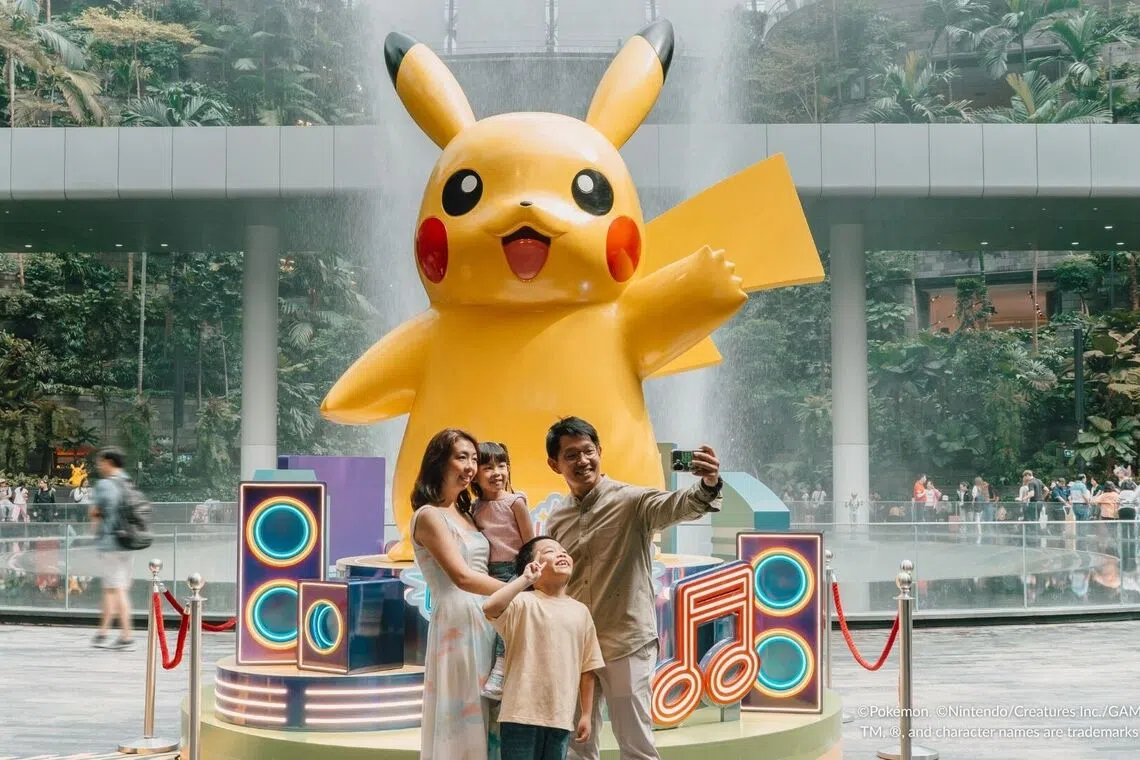
PokeXciting! brings Pokemon’s 30th anniversary to Changi Airport and Jewel
Changi Airport and Jewel are celebrating Pokemon’s 30th anniversary with themed displays, shows and exclusive merchandise.

Telecoms ramp up AI investment amid questions over returns
Major telecom companies are increasing capital expenditures as they expand into artificial intelligence (AI) data center businesses, with questions remaining over their ability to recoup the growing investments as construction and operating costs mount. According to the companies' regulatory filings on Friday, SK Telecom, KT and LG Uplus spent a total of 3.68 trillion won ($2.75 billion) on capital expenditure in the first nine months of this year, up 13.7 percent from a year earlier. LG Uplus posted the biggest increase, with capital expenditure on a standalone basis reaching 569.8 billion won in the third quarter, up 30.1 percent year-on-year. The increase was largely driven by investment in its AI data center project in Paju, Gyeonggi Province. The company is building a 200-megawatt-scale facility in the city, with four buildings scheduled to begin operations by 2028. Its first 50-megawatt building is expected to be completed by next June, while the company says it has secured customer demand for all four buildings. KT's cumulative capital expenditure, including major affiliates, reac

Art becomes key component of financial services for wealthy clients
Art is finding a place in the world of personalized wealth management, as Korea’s financial firms look beyond traditional services to cater to the interests and lifestyles of their wealthy clients, according to industry watchers on Friday. For years, private banking revolved around investment products, tax planning and inheritance. Now, banks and insurers are adding art to the mix, betting that helping clients navigate the art world can give them an edge in the competitive business of managing the wealthy. The appeal is reflected in the numbers. Art accounted for an average of 15 percent of high-net-worth collectors’ overall wealth portfolios this year, according to the Art Basel and UBS Survey of Global Collecting 2026. They spent an average of $124,265 on fine art in 2025, 13 percent more than a year earlier. In Korea, collecting is starting to draw interest not only as a matter of taste but also as a way to manage and pass on wealth. “People with money often get into art through their social circles. They go to galleries and art fairs, and before long, an interest in looking at
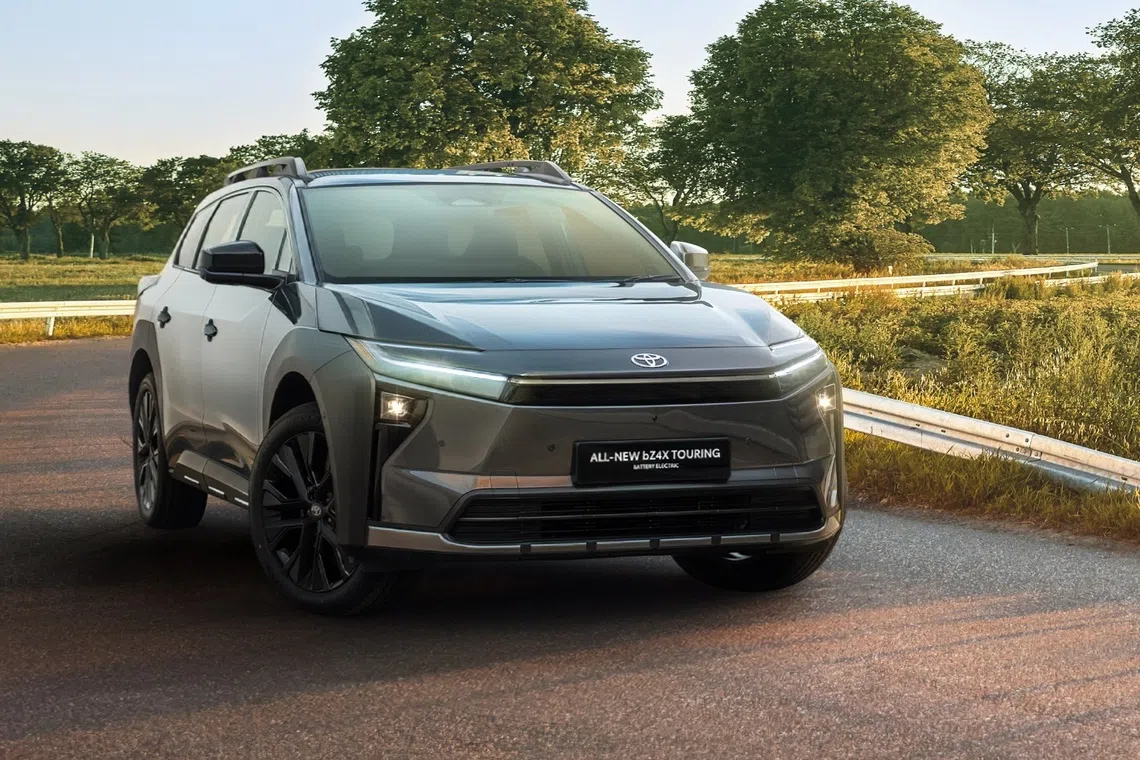
Toyota’s electric lineup gets a jolt with the larger and more powerful bZ4X Touring
Compared to its standard version, the bZ4X adds an additional motor and all-wheel drive to the mix.