Most Recent
Alibaba says new flagship AI model cuts task costs by 60% while tightening cyber guardrails
Alibaba Group Holding has launched its most advanced artificial intelligence model to date, Qwen4-Max, with strict cybersecurity guardrails, as the tech giant balances safety with a continued commitment to open sourcing amid growing global concerns over AI-enabled cyberattacks. The release highlights a growing focus on safety in China’s AI industry as Alibaba said it intentionally filtered the model’s training data to remove offensive cyberattack capabilities while retaining capabilities useful...
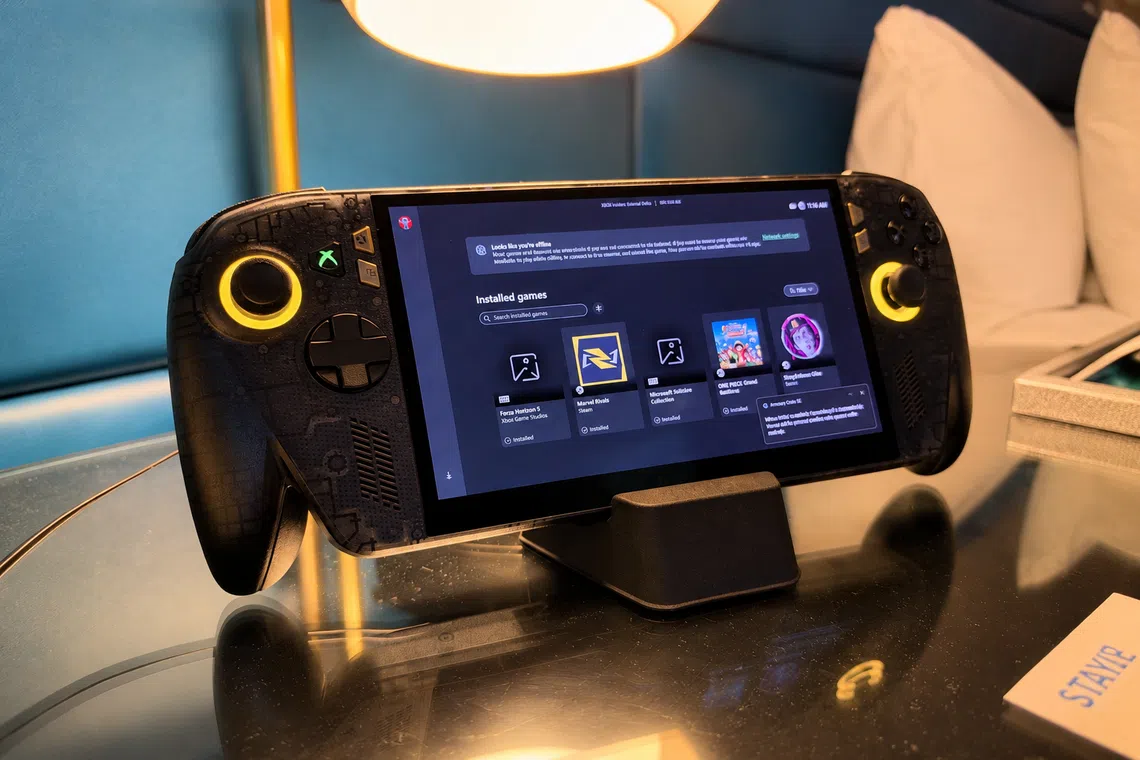
The ROG Xbox Ally X20 will be available as a standalone purchase, with pre-orders starting from 16 Nov
It was previously only available as part of a bundle with the ROG Xreal R1 Edition 20.
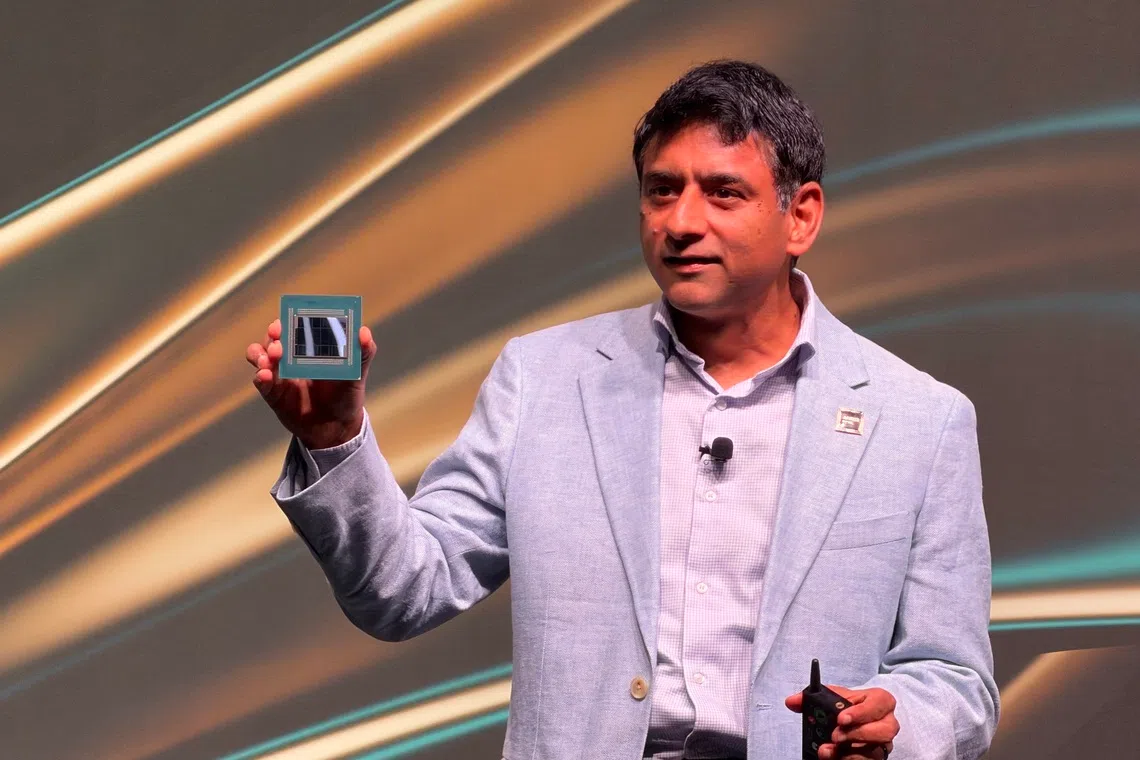
AMD launches 6th Gen EPYC Embedded processors with up to 256 Zen 6 cores
Built for semiconductor testing, enterprise storage and network security, AMD’s new embedded processors promise greater performance, faster connectivity and 7 years of product support.
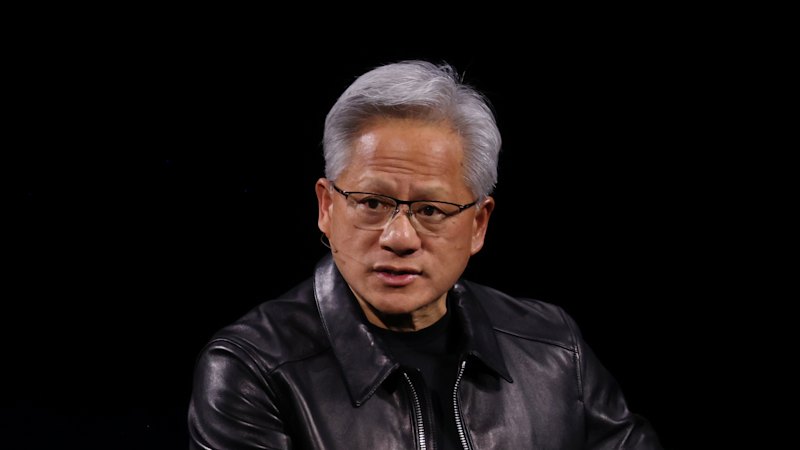
The cracks are widening from the $2.9 trillion Wall Street wipeout
If you were looking for a single barometer of the state of the world, it’s hard to go past the price of copper. And Jensen Huang’s fall from grace has just hit it hard.
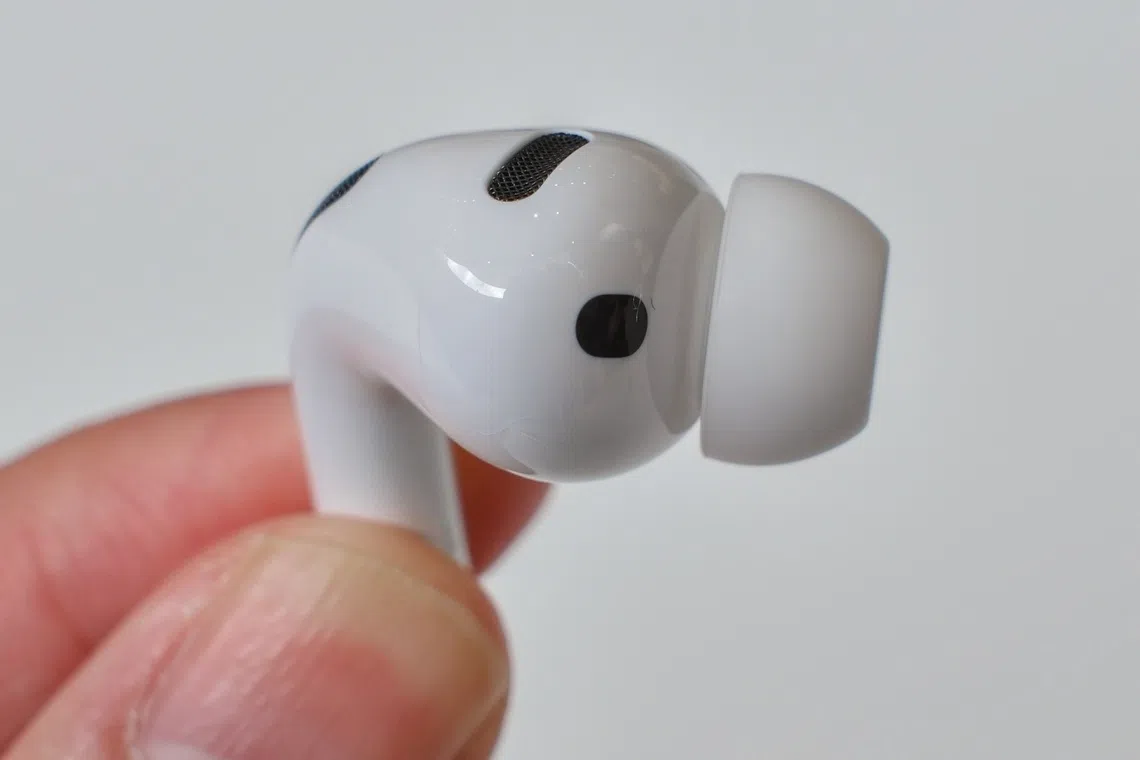
Chinese supplier confirms involvement in Apple’s AI glasses and camera-equipped AirPods
The Chinese firm disclosed its involvement in the unannounced Apple products in its latest earnings report.
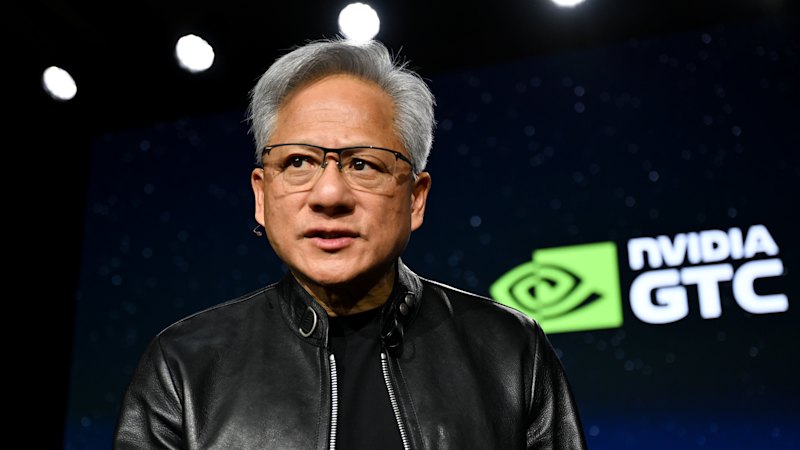
Jensen Huang eyes shock Nvidia return: report
Ousted Nvidia chief executive officer Jensen Huang is discussing a possible comeback to the company just days after the board of directors pushed him out, the Financial Times reported.

FURIA crowned BLAST Premier Rivals Hong Kong champions after sweeping Team Spirit 3-0
The Brazilian Counter-Strike team secured their third title in four tournaments, while BLAST confirmed its return to Hong Kong in 2027.

Audi Korea accelerates recovery on solid sales of redesigned A6
Audi Korea surpassed 10,000 units in cumulative sales early this month, driven by solid sales of its redesigned A6 flagship sedan and expanded vehicle lineups with diverse powertrains, the carmaker said. The sales figure was achieved a month earlier than last year, marking the second consecutive year that the German automaker has hit the 10,000-unit sales milestone in Korea. Audi Korea is on track for a rapid sales rebound here after it revamped its overall strategy with a focus on product portfolio expansion. The carmaker introduced 16 new models last year, including flagship all-electric models — the Q6 e-tron and A6 e-tron — as well as the A5 sports sedan and Q5 SUV with internal combustion engines. The A6 sedan is particularly the key sales driver for Audi Korea, with the model's sales reaching 2,241 between January and September here, according to the carmaker. The strategy is designed to give Korean customers a broader range of choices amid rapidly diversifying preferences for powertrains, body styles and driving needs. The lineup has been further strengthened this year with the

Kia's domestic electrified vehicle sales top 300,000 units in 2026
Kia said Sunday its domestic sales of electrified vehicles surpassed 300,000 units this year as of Monday, making it the first automaker to reach the milestone in Korea in a single year. Kia, an automaking affiliate of Hyundai Motor Group, said its sales of electrified vehicles, including electric vehicles (EVs) and hybrid models, came to 300,048 units, up 41.9 percent from a year earlier. Annual sales of electrified vehicles first topped 100,000 units in 2021, reaching 109,741, before exceeding 200,000 in 2024 at 222,085. Of this year's tally, EVs accounted for 120,360 units, more than doubling from a year earlier and marking the first time an automaker has sold more than 100,000 EVs in Korea in a single year. Sales of hybrid models over the period rose 16.9 percent to 179,688 units. Kia added that its overall domestic sales this year came to 502,286 units, with electrified models accounting for 59.7 percent of the total. Among EVs, the EV3 led sales with 30,455 units, followed by the EV5 with 28,971 and the PV5 with 24,266. Among hybrid models, the Sorento hybrid posted sales of 70,176 un

SK chairman calls for AI expansion beyond chips into models, services
SK Group Chairman Chey Tae-won urged leaders of group subsidiaries to redefine themselves as artificial intelligence (AI) companies and expand beyond chips, infrastructure and energy into AI models and services, building a growth cycle that connects the conglomerate’s businesses. According to SK Group, Sunday, Chey outlined the strategy at CEO seminar held Thursday to Saturday in Icheon, Gyeonggi Province. During the seminar, Chey highlighted the importance of an "AI flywheel" to position SK as a key player in a “token economy,” where AI computing and services are traded as resources. “We must break out of existing business frameworks and redefine ourselves as AI companies,” Chey said, urging every affiliate to find new roles beyond its traditional business and connect them to AI services and the token economy. Under the strategy, AI semiconductor capabilities would support AI factory expansion, supporting the growing demand for electricity, energy and AI services. Competitive energy supplies and wider service adoption would spur investment in AI factories and advanced chips.